The Clean Air Necklace
The Clean Air Necklace
An open-source, data-reactive wearable commissioned by DesignSpark and exhibited at the National Archives.
An open-source, data-reactive wearable commissioned by DesignSpark and exhibited at the National Archives.
Project Type
Wearable Technology & Data Visualization
Wearable Technology & Data Visualization
Key Skills
Hardware Engineering, Programming (C++), Data Visualization, Physical UX, Open-Source Development
Hardware Engineering, Programming (C++), Data Visualization, Physical UX, Open-Source Development
Primary Tools
Arduino IDE (FastLED Library), Autodesk Fusion 360, Unexpected Maker TinyPico V2, PM2.5 Particulate and CO2 Sensors, Addressable LEDs, Flexible TPU
Arduino IDE (FastLED Library), Autodesk Fusion 360, Unexpected Maker TinyPico V2, PM2.5 Particulate and CO2 Sensors, Addressable LEDs, Flexible TPU
Overview
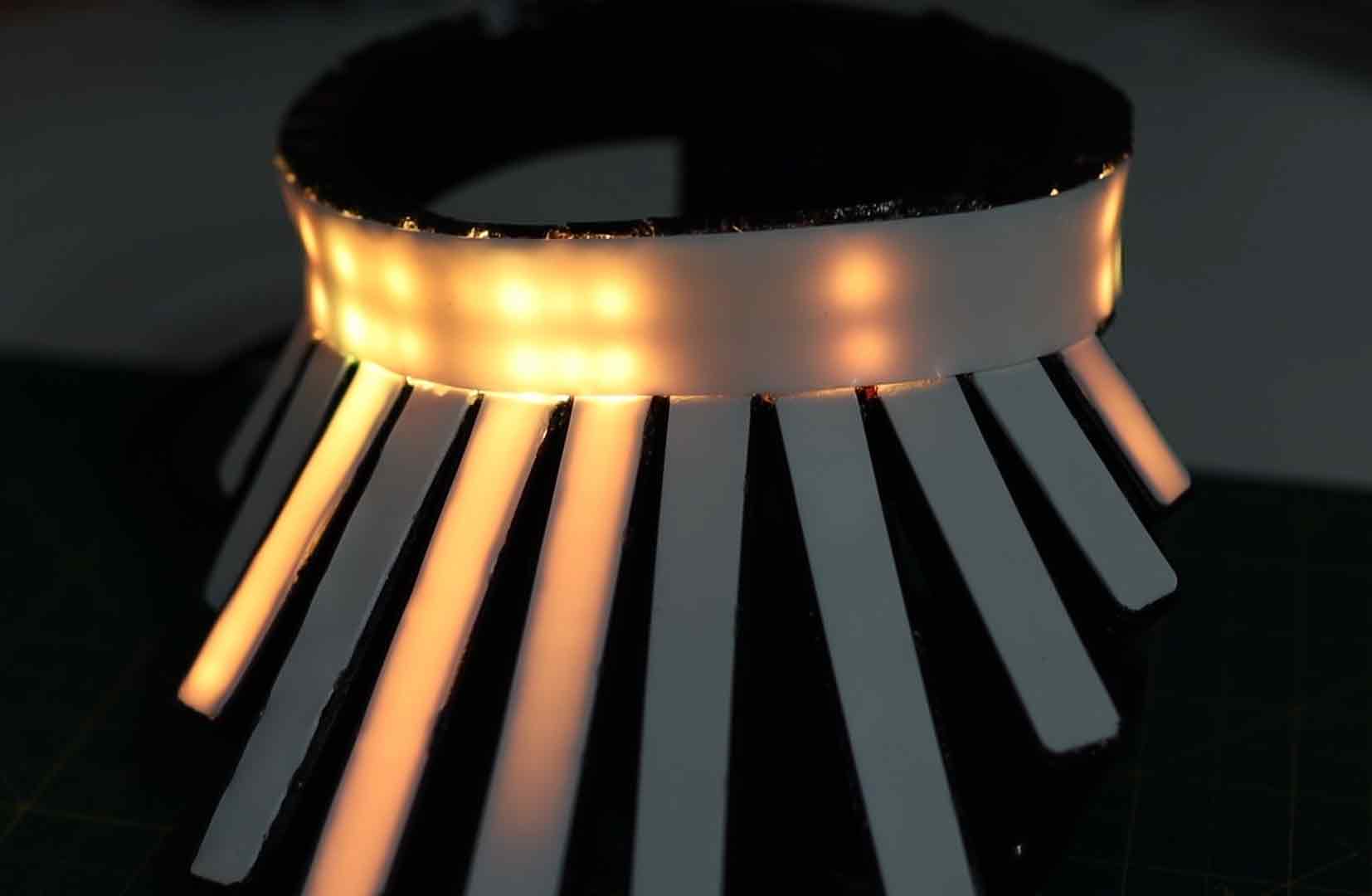
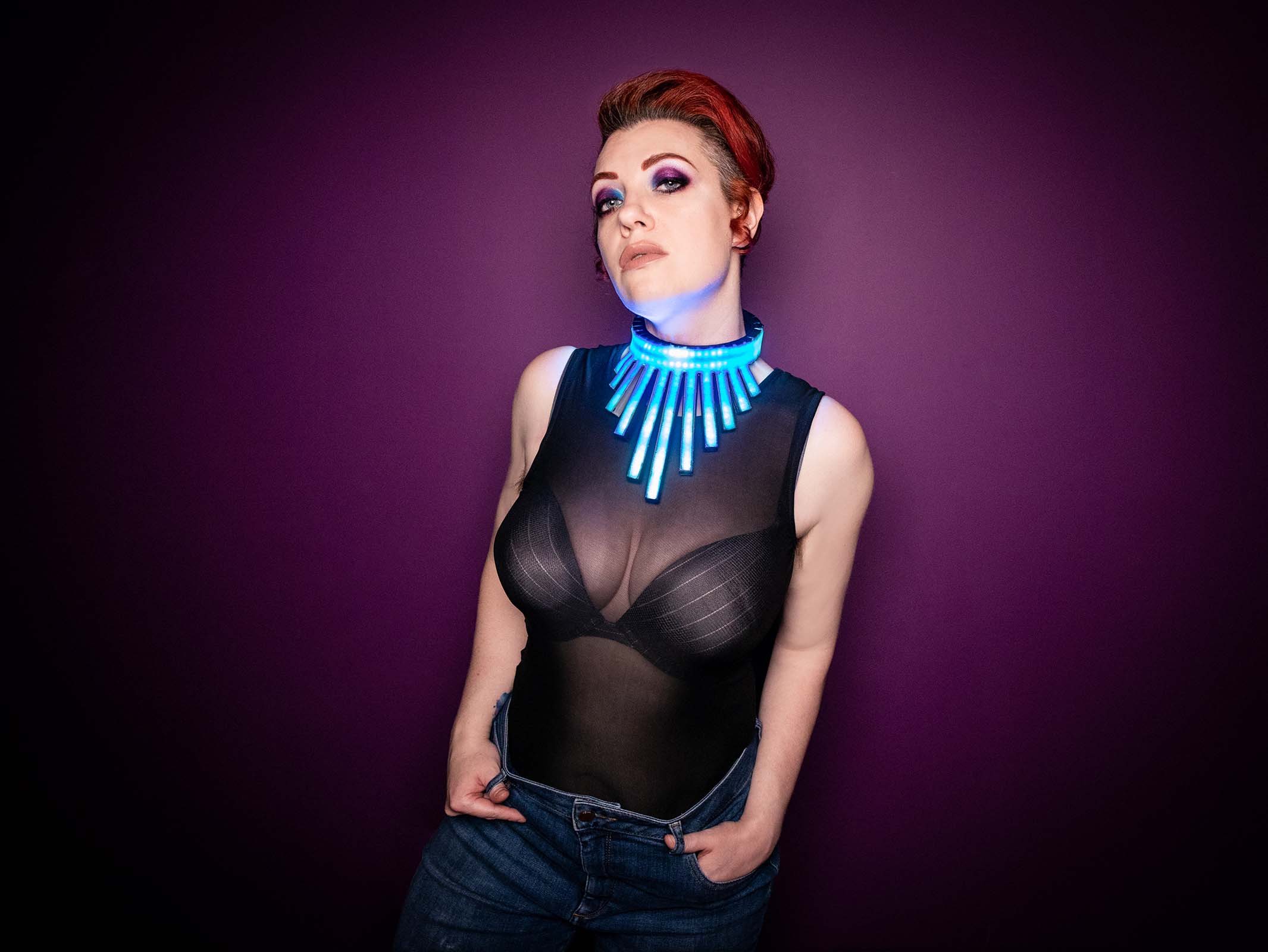
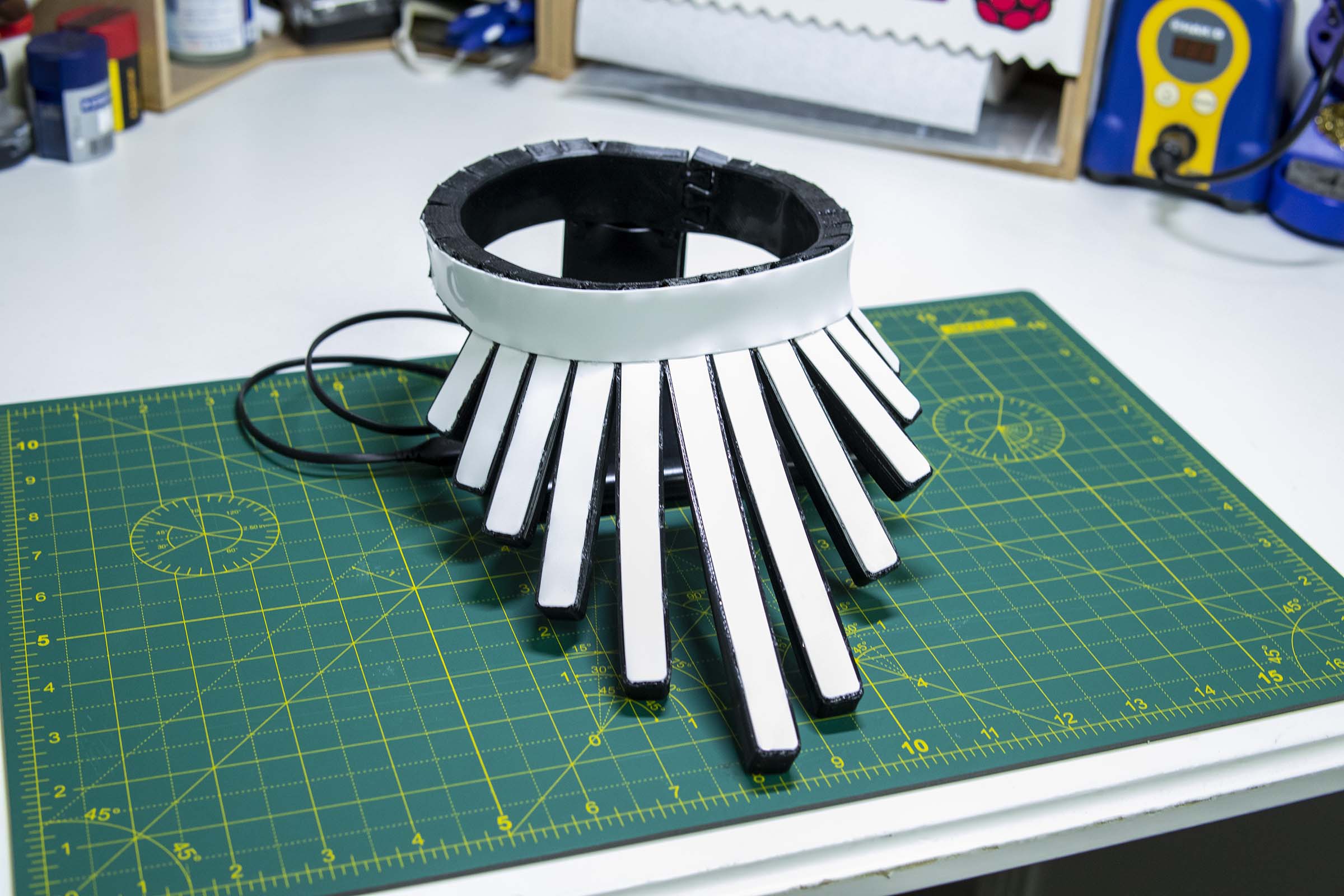
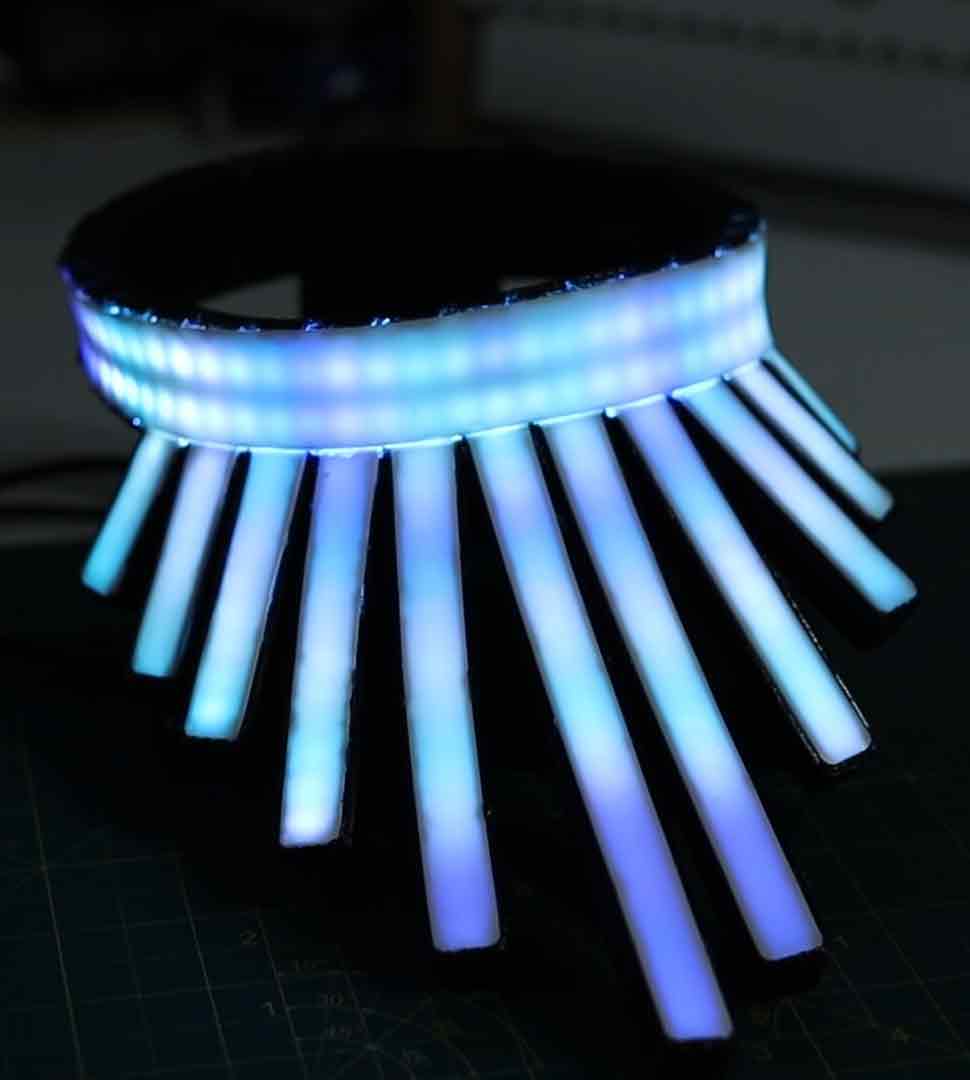
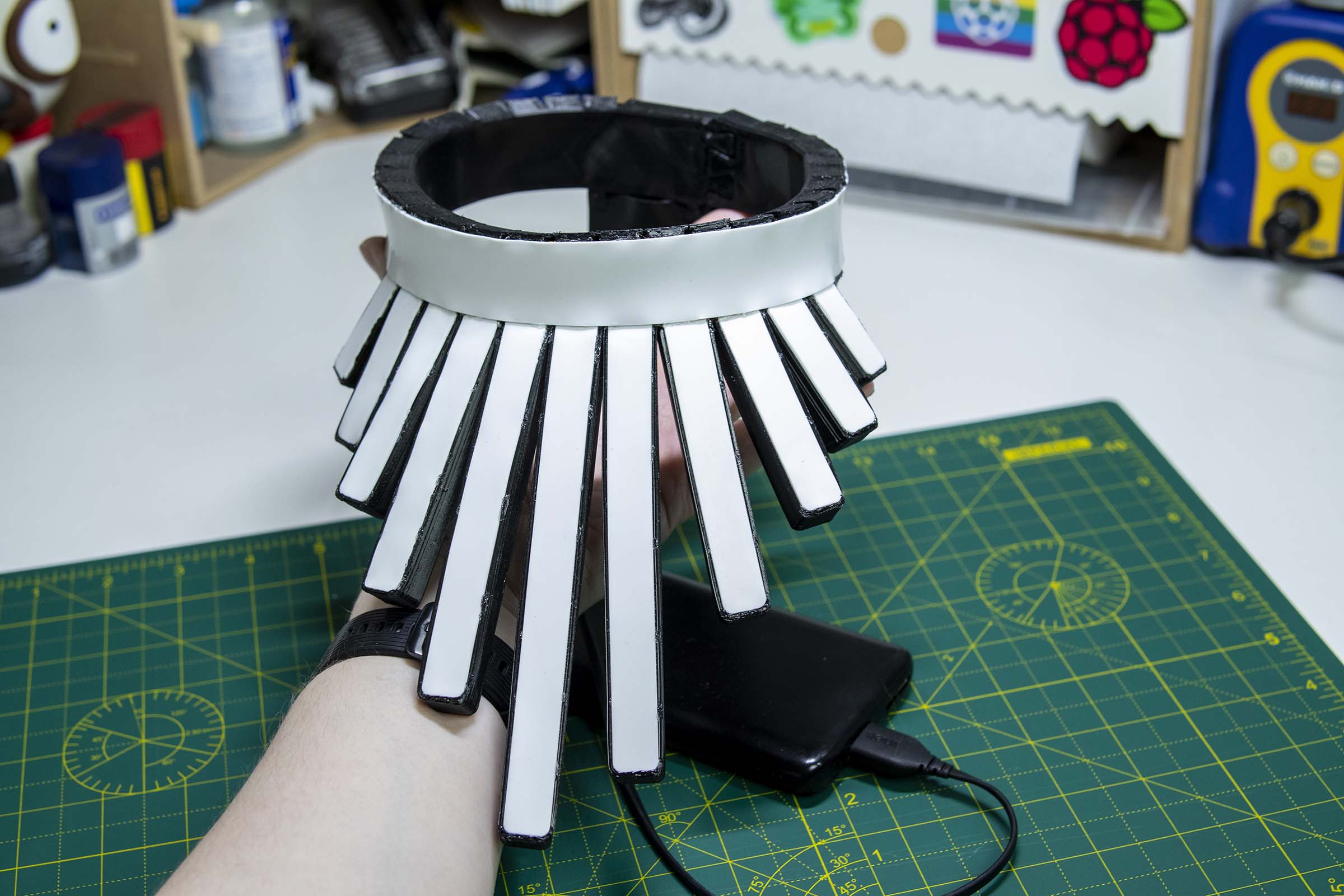
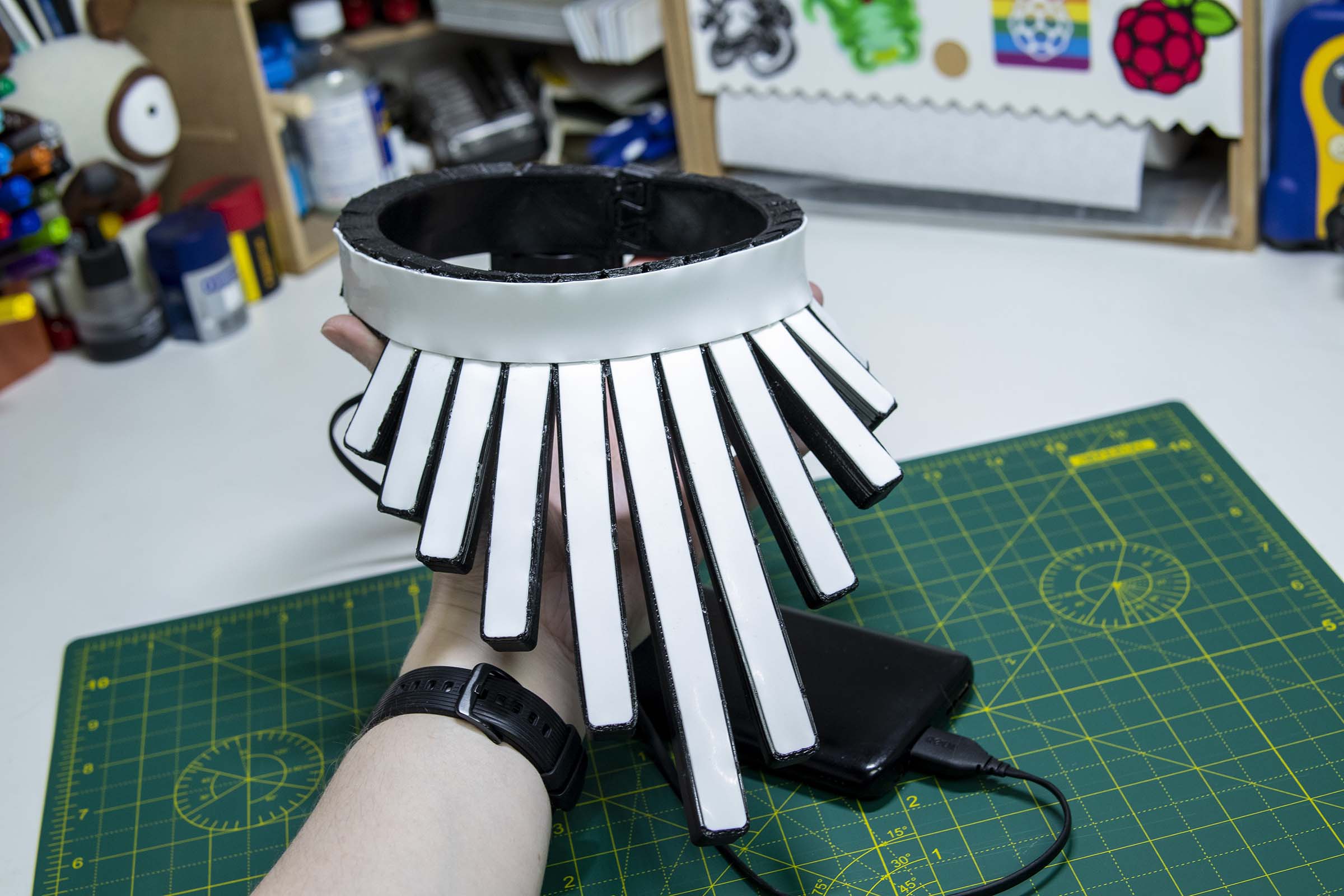
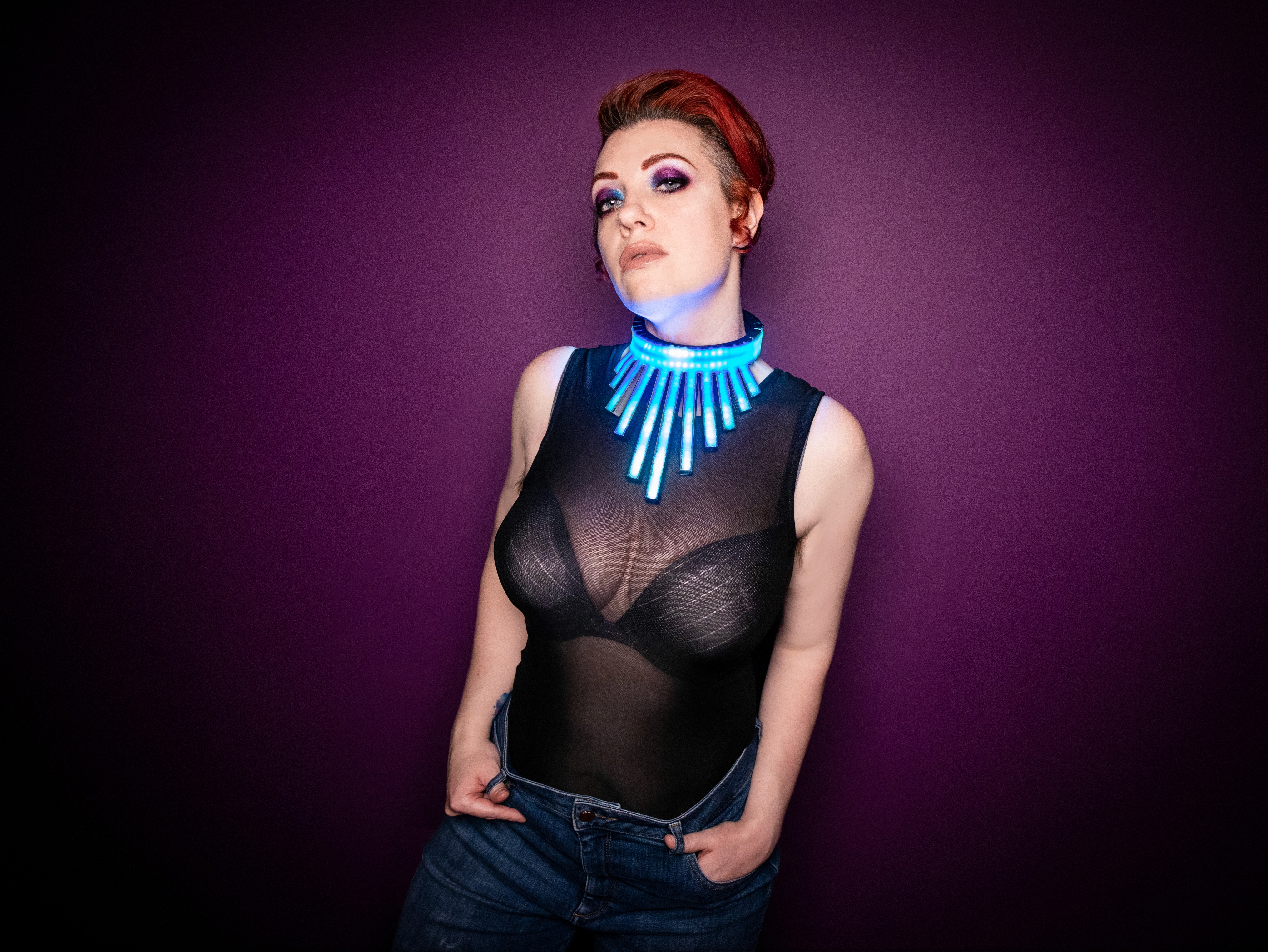
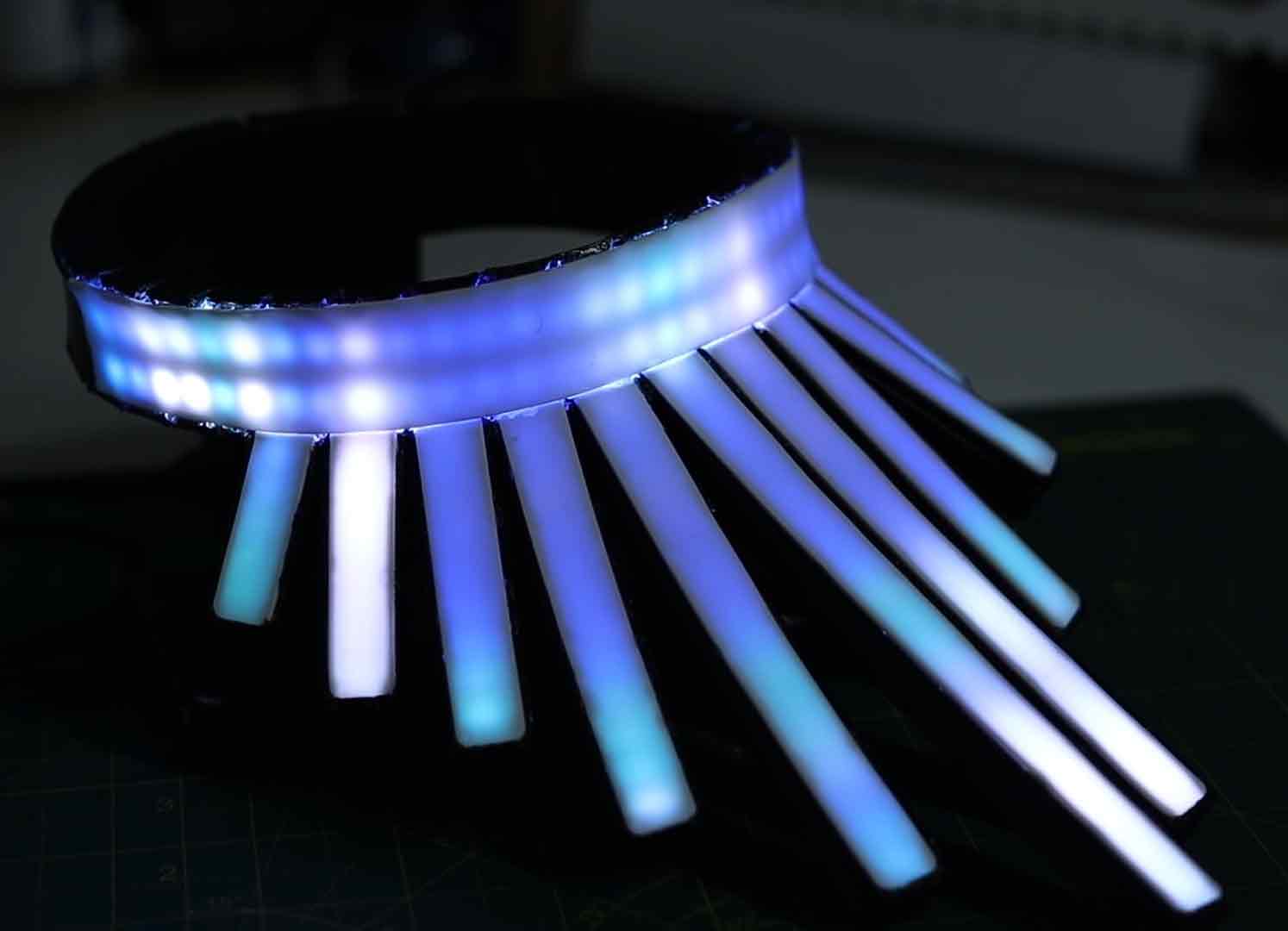
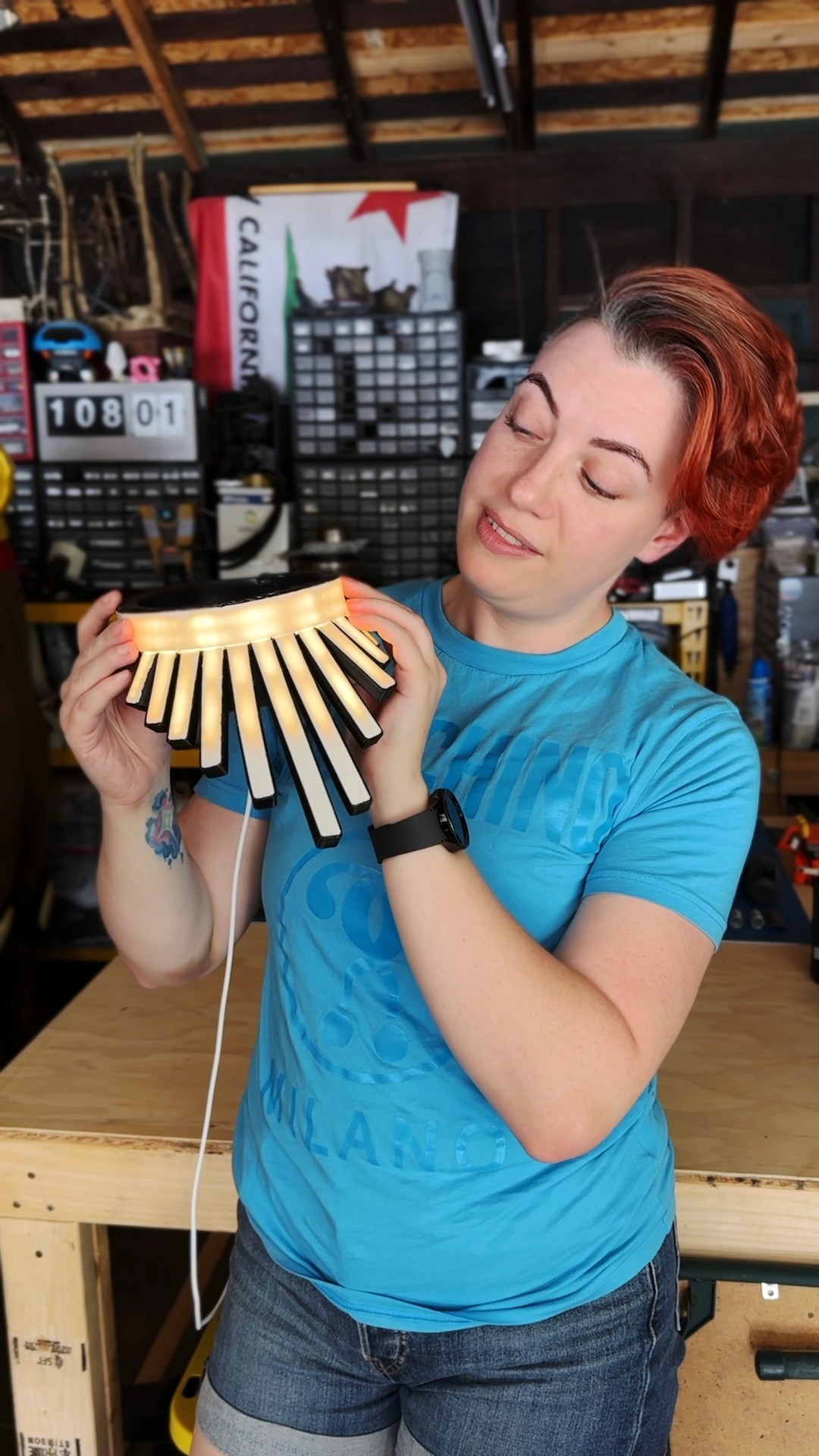
Commissioned by DesignSpark (a branch of RS Components), the initial brief was to design an open-source project utilizing their Environmental Sensor Development Kit (ESDK) to spark public conversation around air quality. The result is the Clean Air Necklace: a fully 3D-printed, data-reactive wearable that translates invisible PM2.5 particulate data into vibrant, real-time LED animations. Following its initial success, a refined second iteration was commissioned by the National Archives for their "Spirit of Invention" exhibition, with later additional carbon dioxide monitoring upgrades being added for a final iteration.
Commissioned by DesignSpark (a branch of RS Components), the initial brief was to design an open-source project utilizing their Environmental Sensor Development Kit (ESDK) to spark public conversation around air quality. The result is the Clean Air Necklace: a fully 3D-printed, data-reactive wearable that translates invisible PM2.5 particulate data into vibrant, real-time LED animations. Following its initial success, a refined second iteration was commissioned by the National Archives for their "Spirit of Invention" exhibition, with later additional carbon dioxide monitoring upgrades being added for a final iteration.

The Challenges
Data Translation: Transforming dry, numerical environmental data (PM2.5 and CO2) into intuitive, aesthetically pleasing visual animations that actively engage the public.
Wearable Safety & Ergonomics: Designing a tech-heavy enclosure that is comfortable to wear, safely diffuses heat, and avoids the risks associated with wearing high current electronics near the neck.
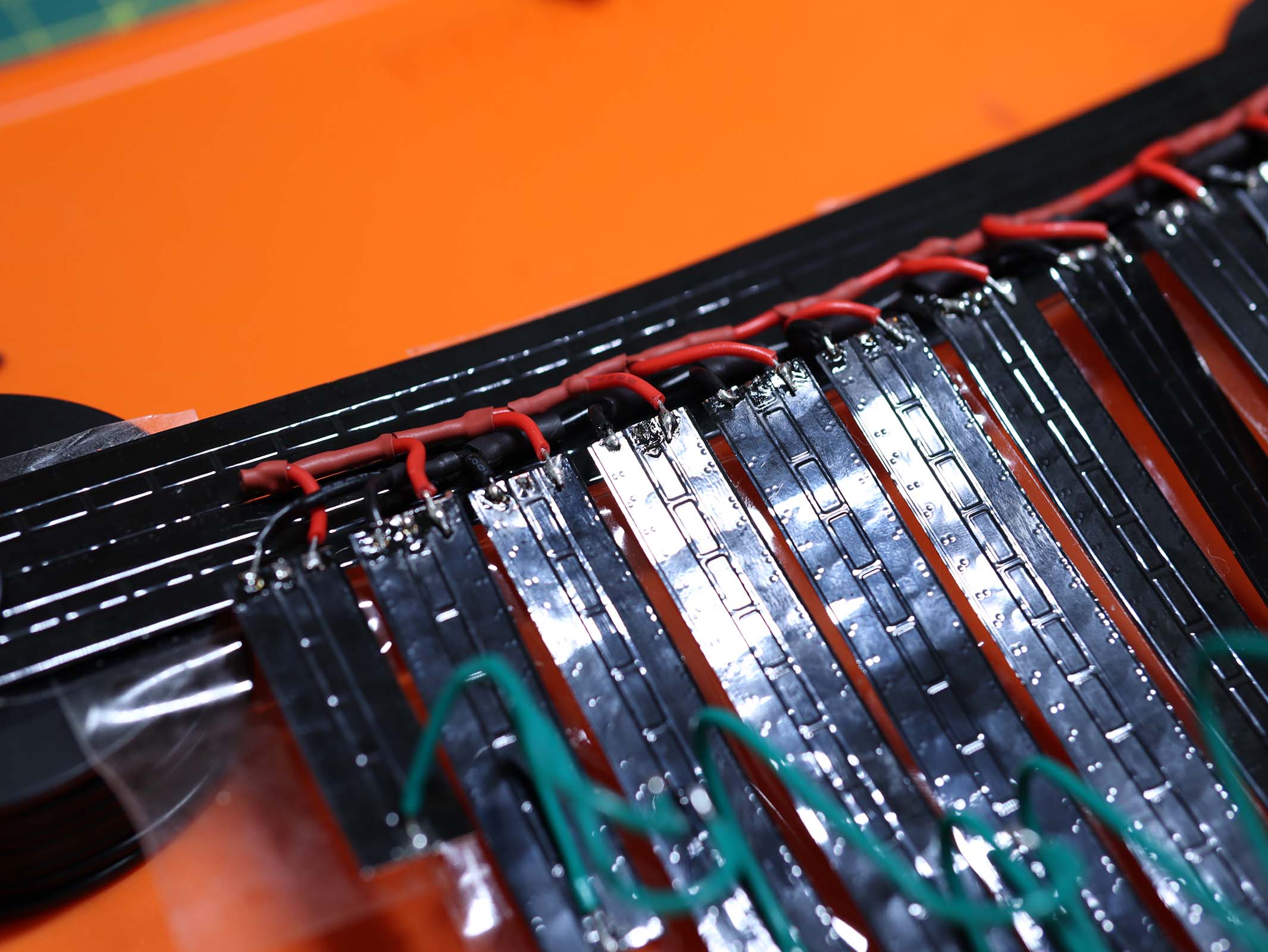
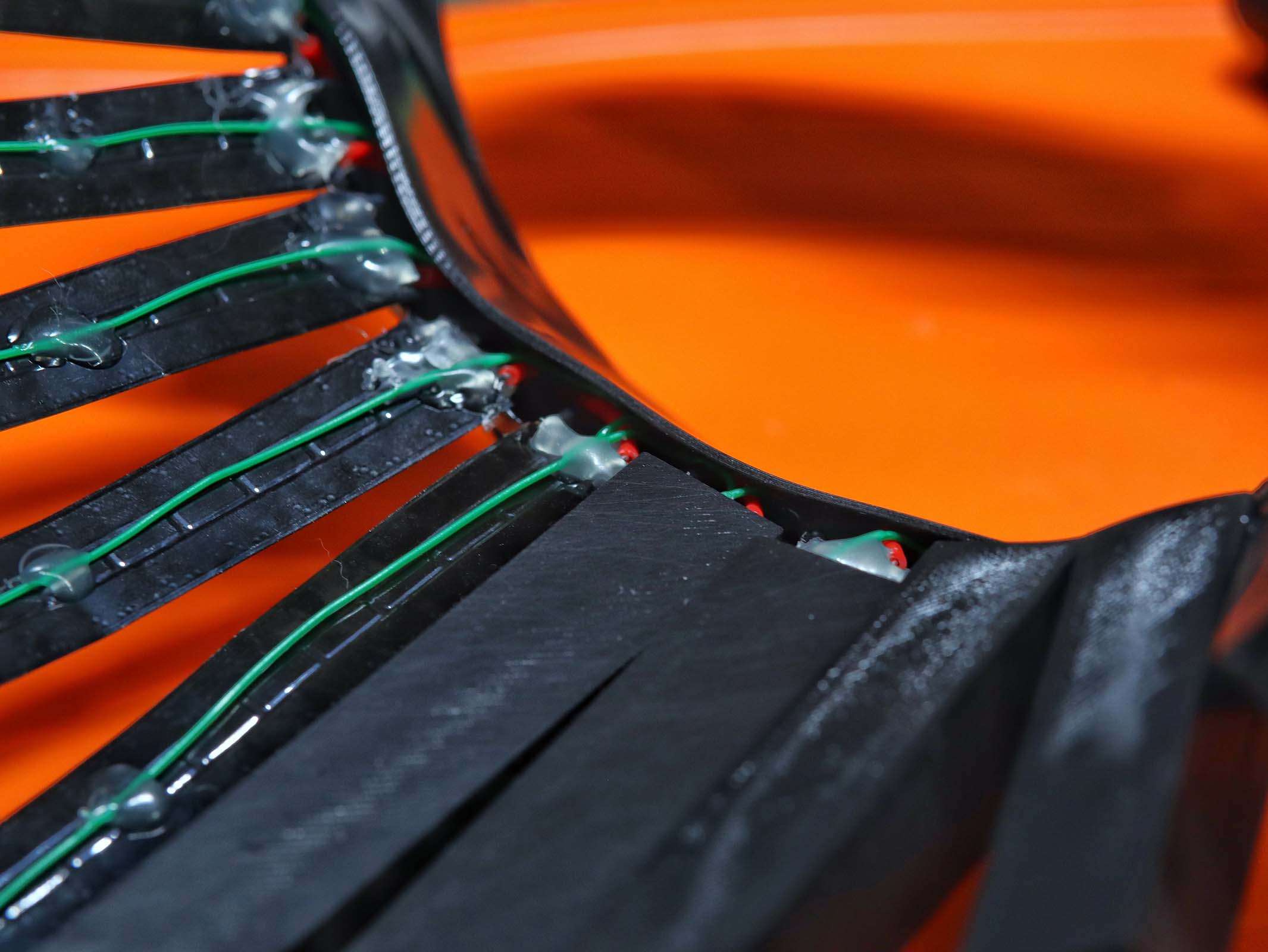
Open-Source Accessibility: Engineering an internal layout that is space-saving yet easily reproducible and serviceable by the maker community, avoiding permanent glue or solder where possible.
Data Translation: Transforming dry, numerical environmental data (PM2.5 and CO2) into intuitive, aesthetically pleasing visual animations that actively engage the public.
Wearable Safety & Ergonomics: Designing a tech-heavy enclosure that is comfortable to wear, safely diffuses heat, and avoids the risks associated with wearing high current electronics near the neck.
Open-Source Accessibility: Engineering an internal layout that is space-saving yet easily reproducible and serviceable by the maker community, avoiding permanent glue or solder where possible.
The Solution & Process
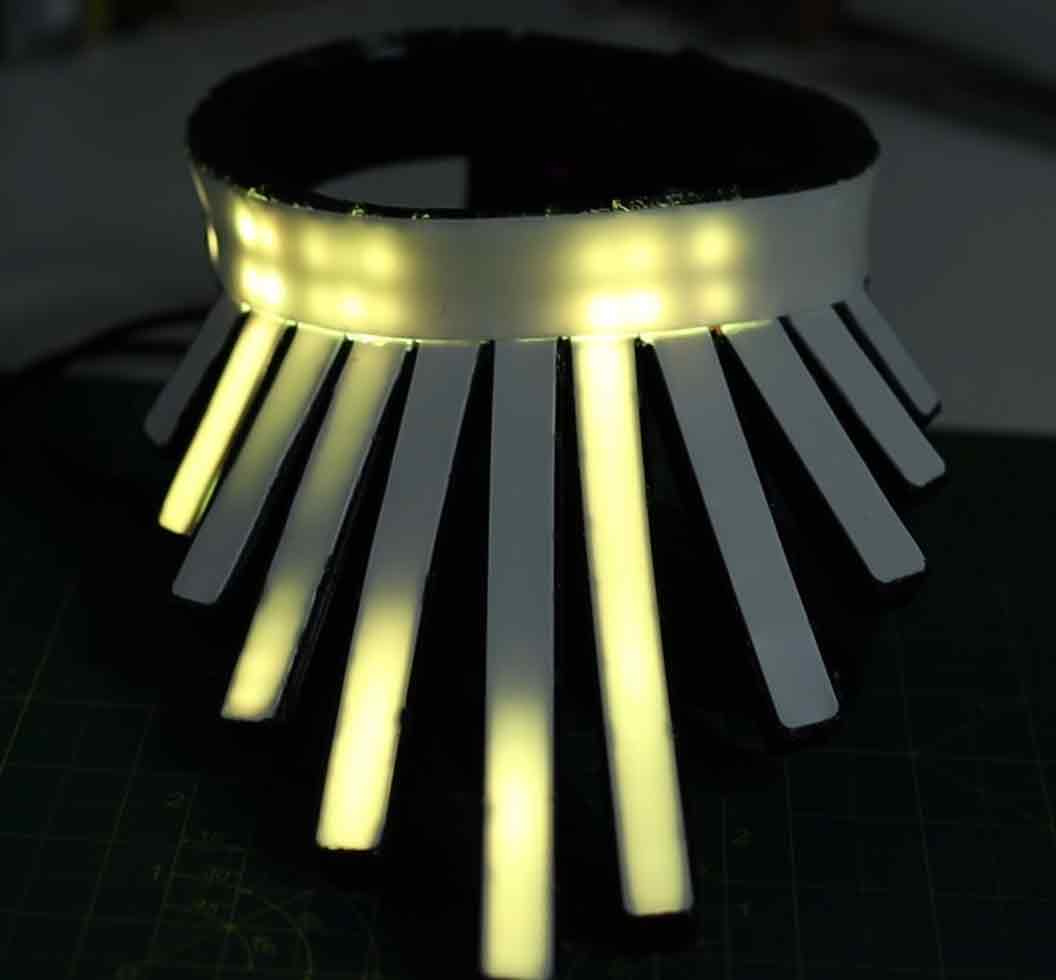
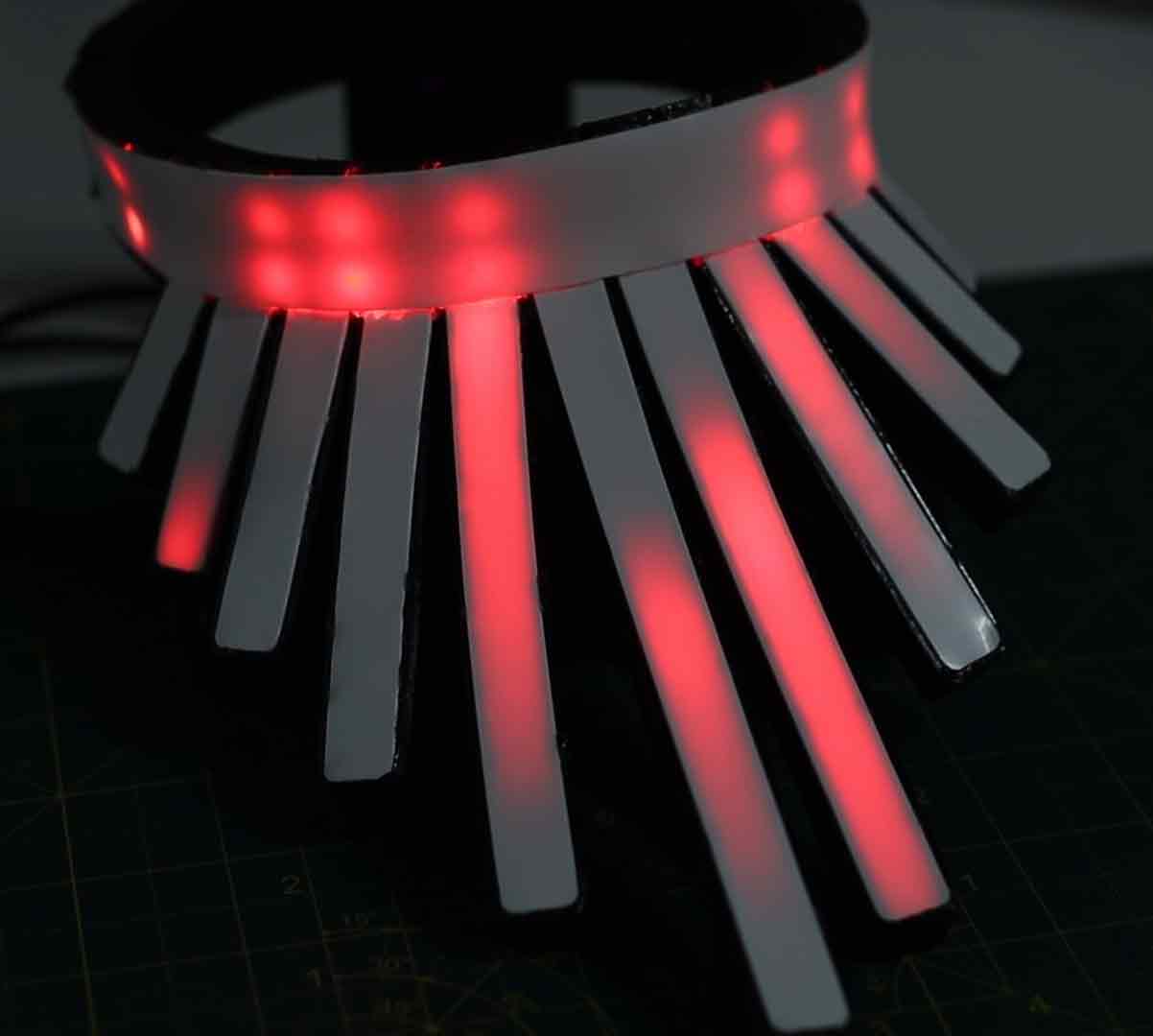
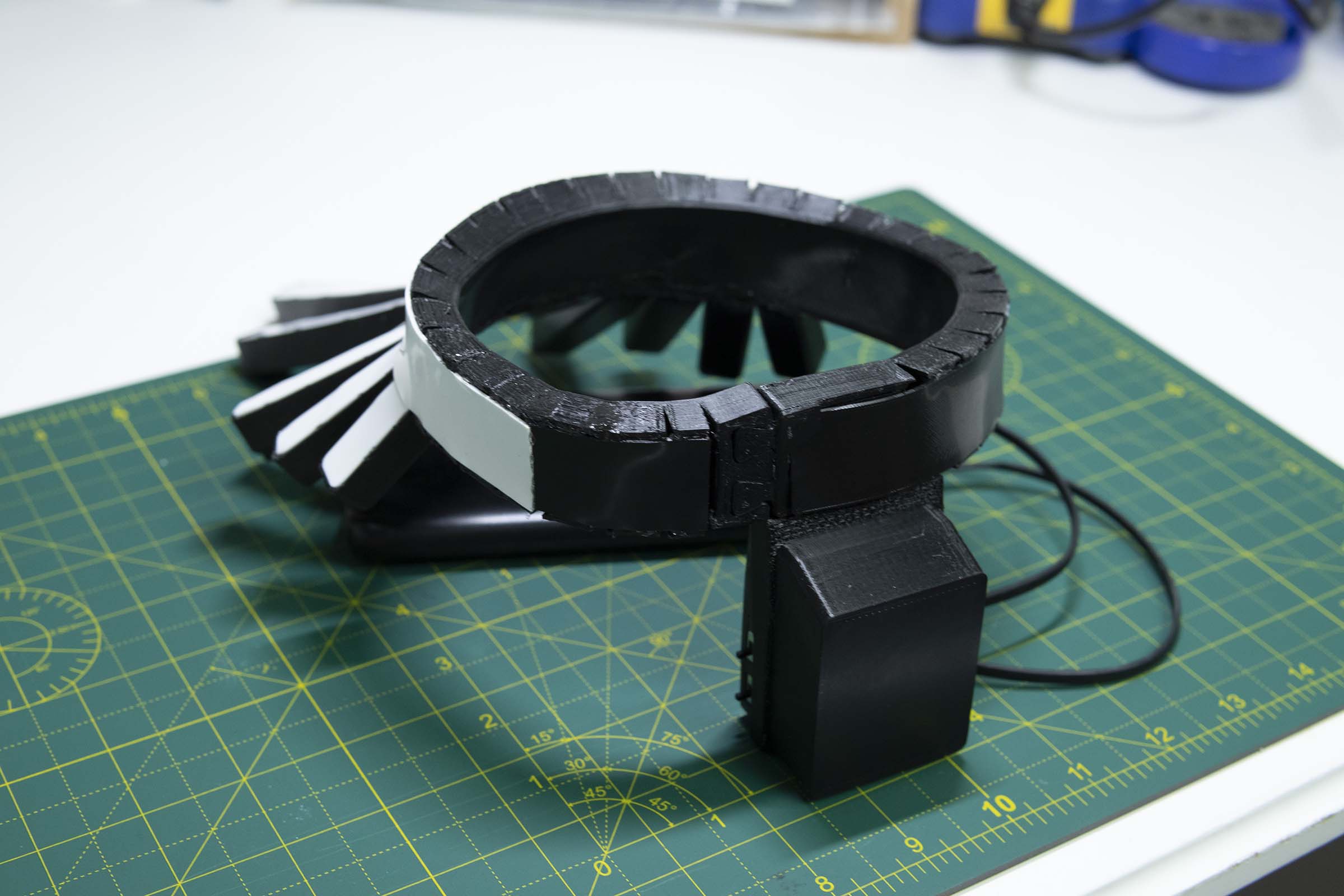
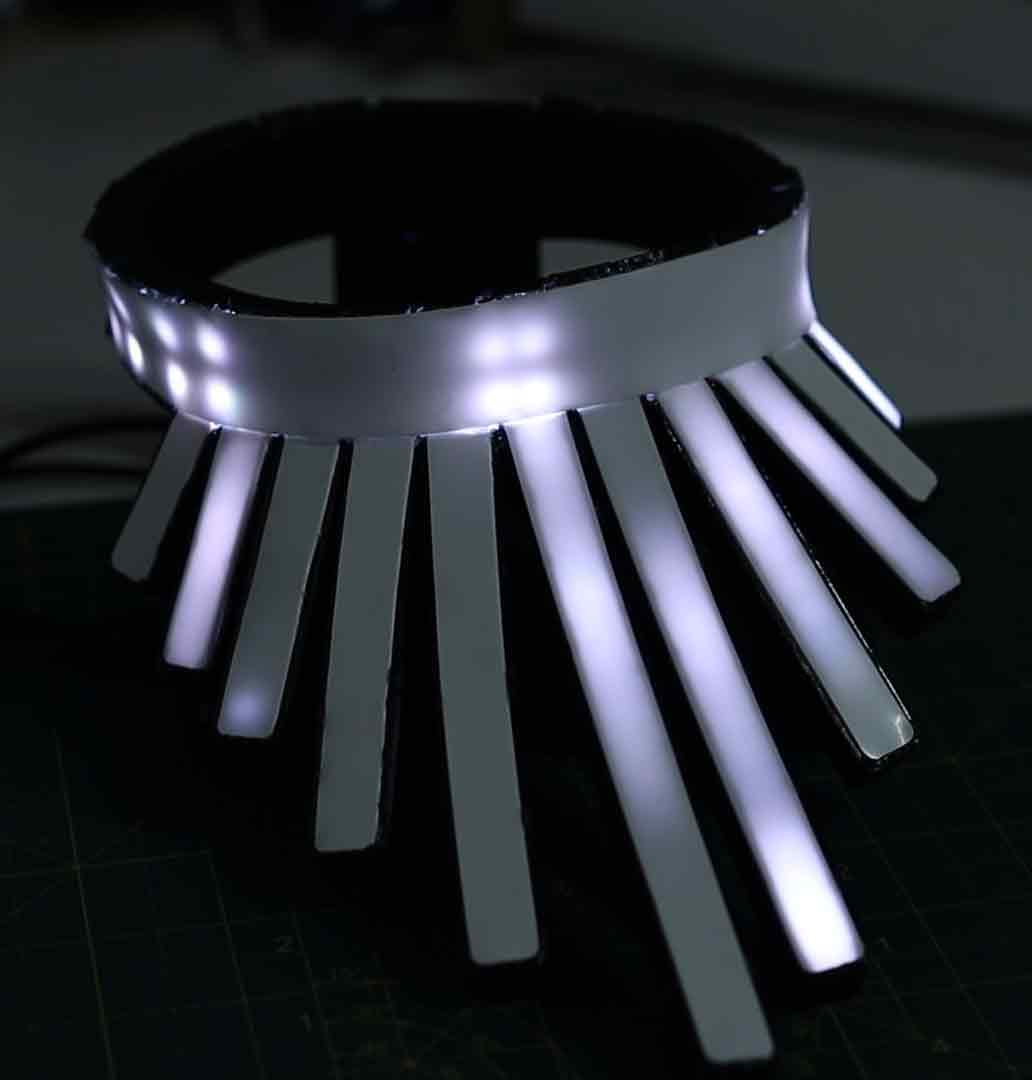
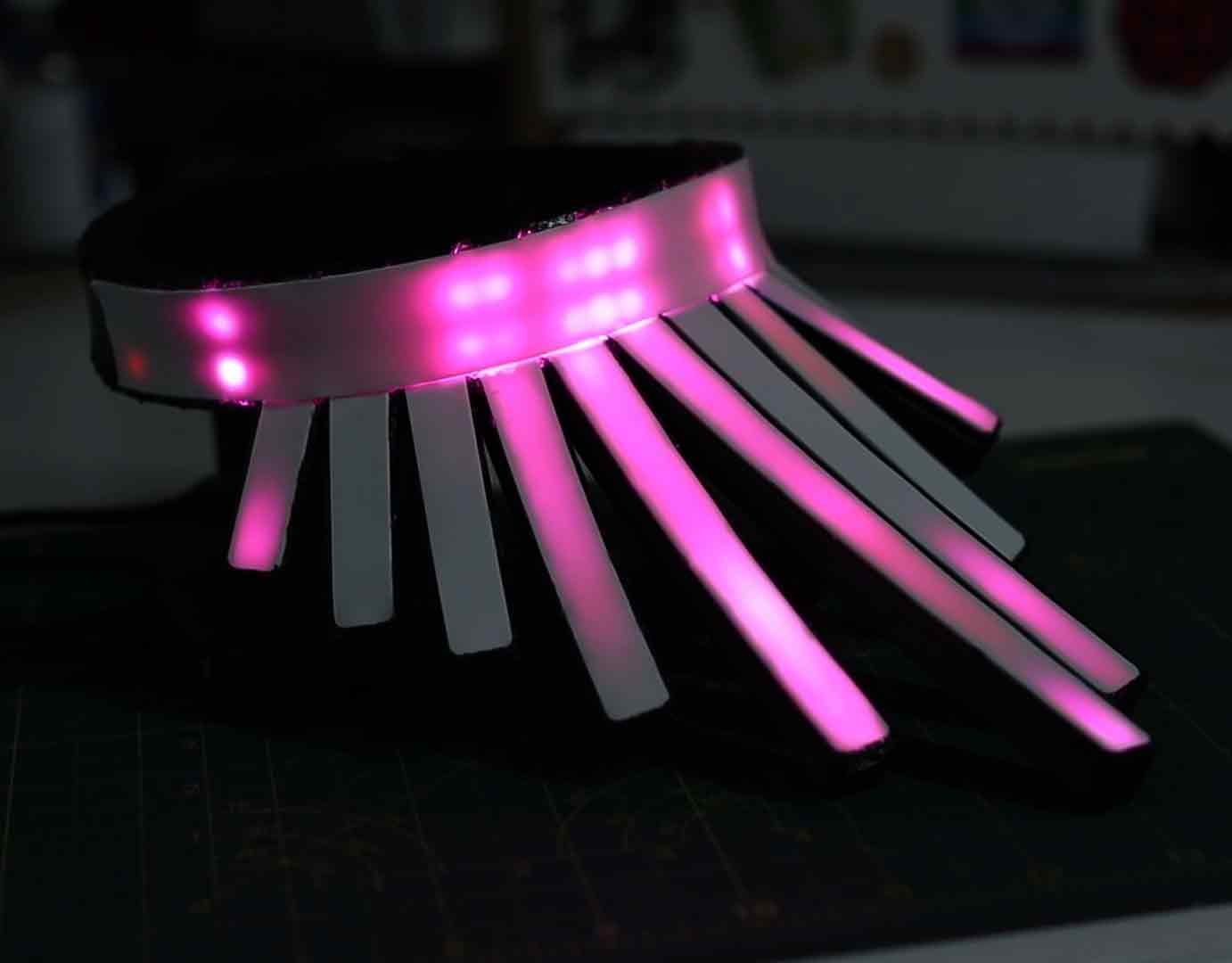
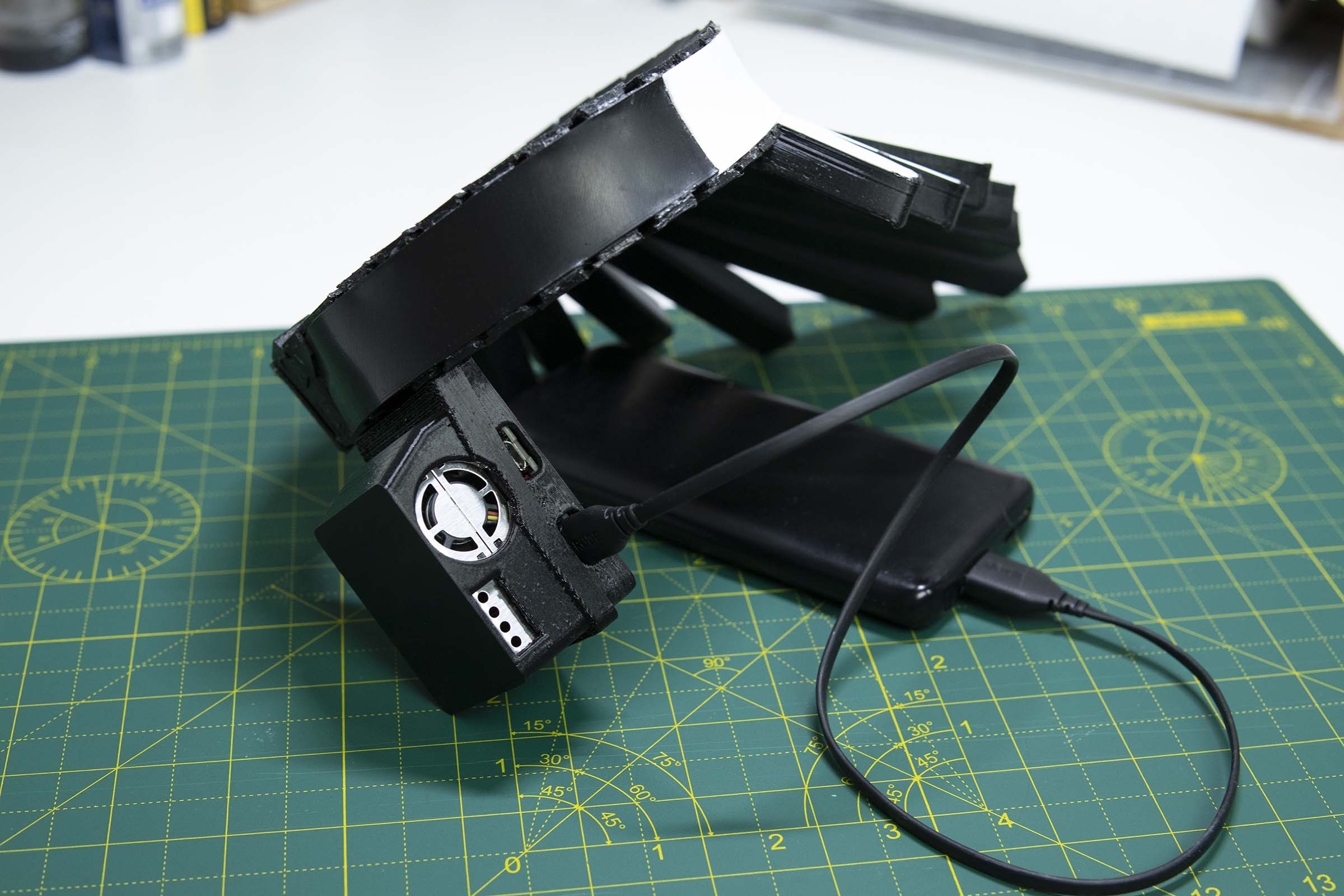
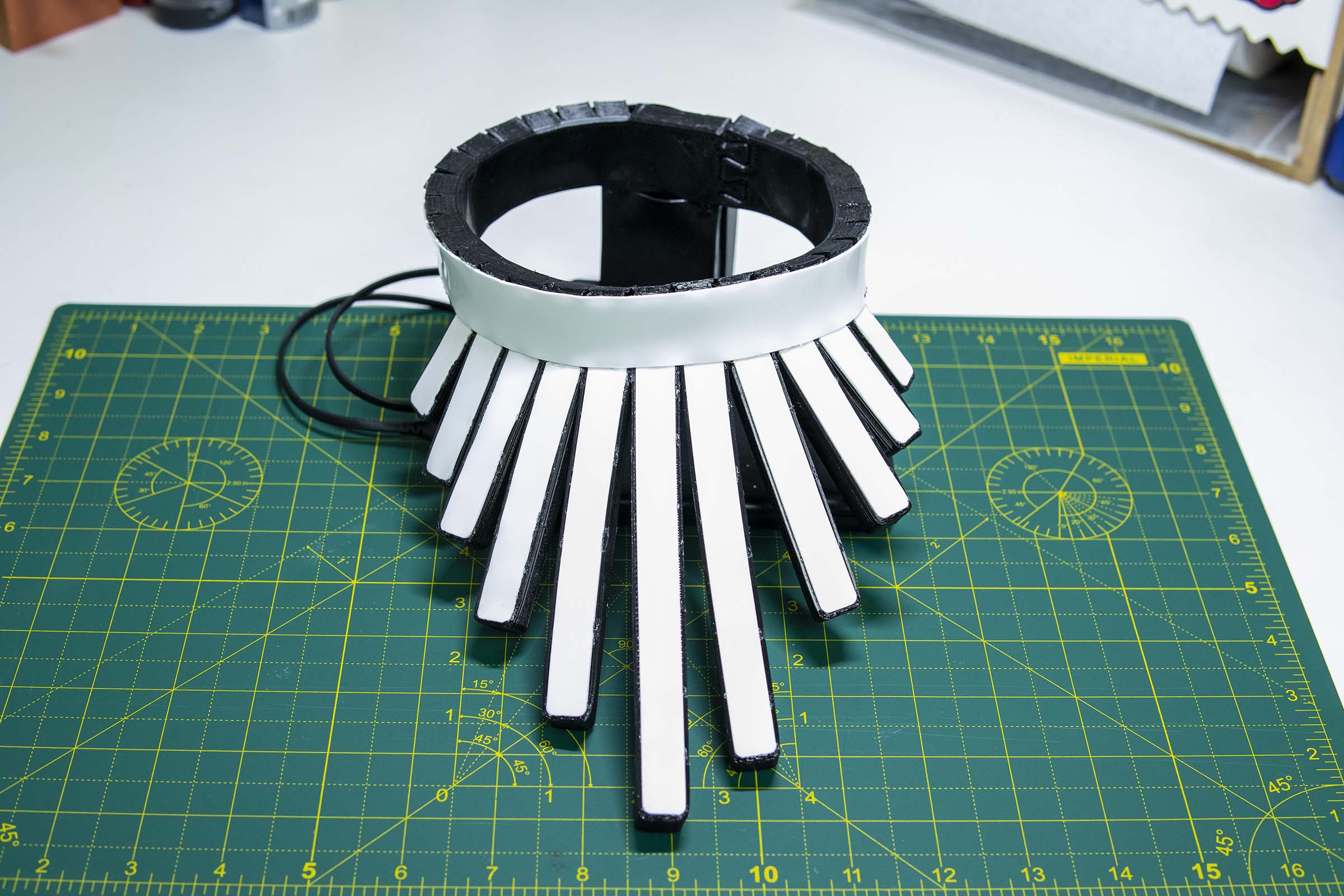
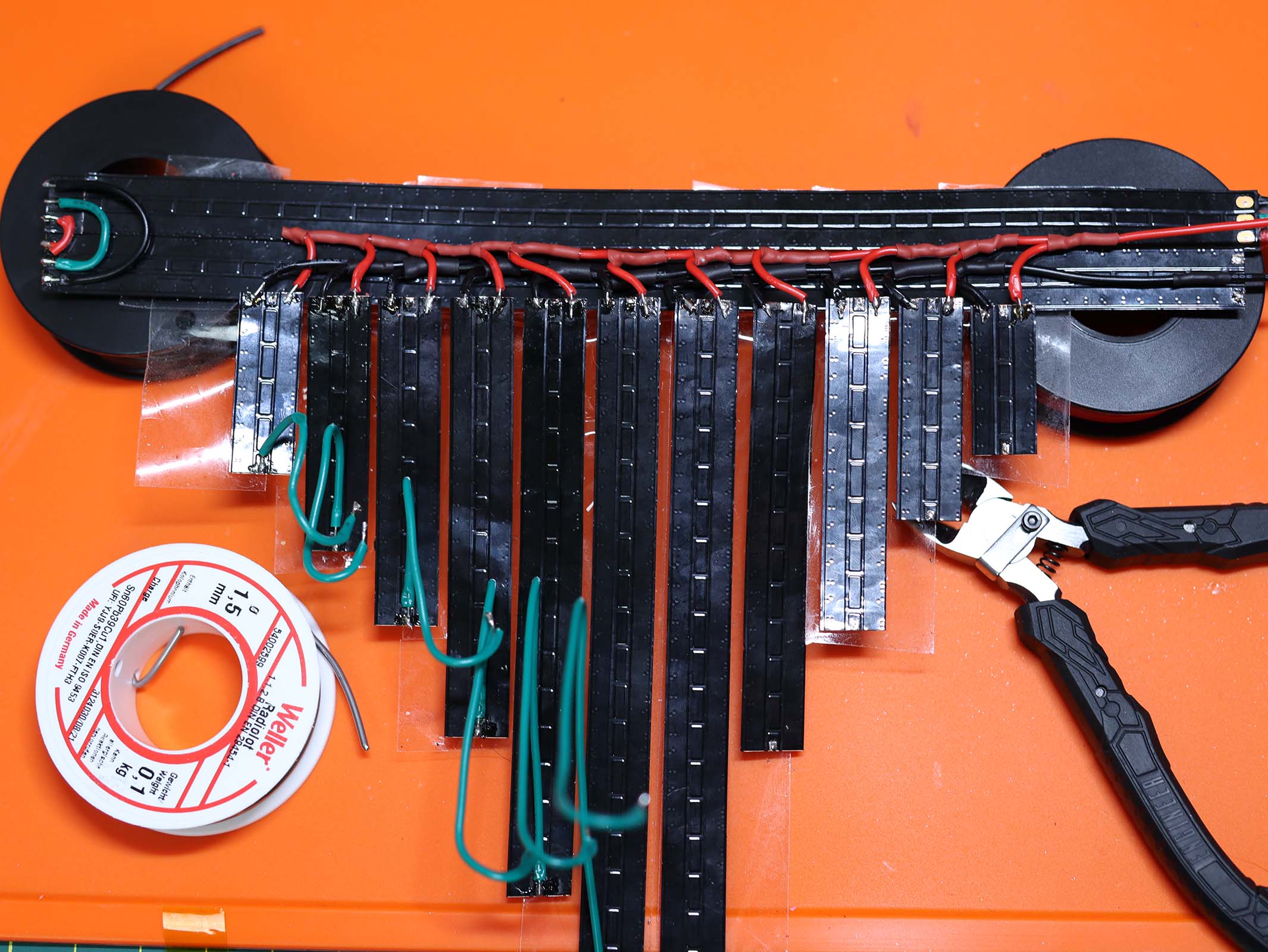
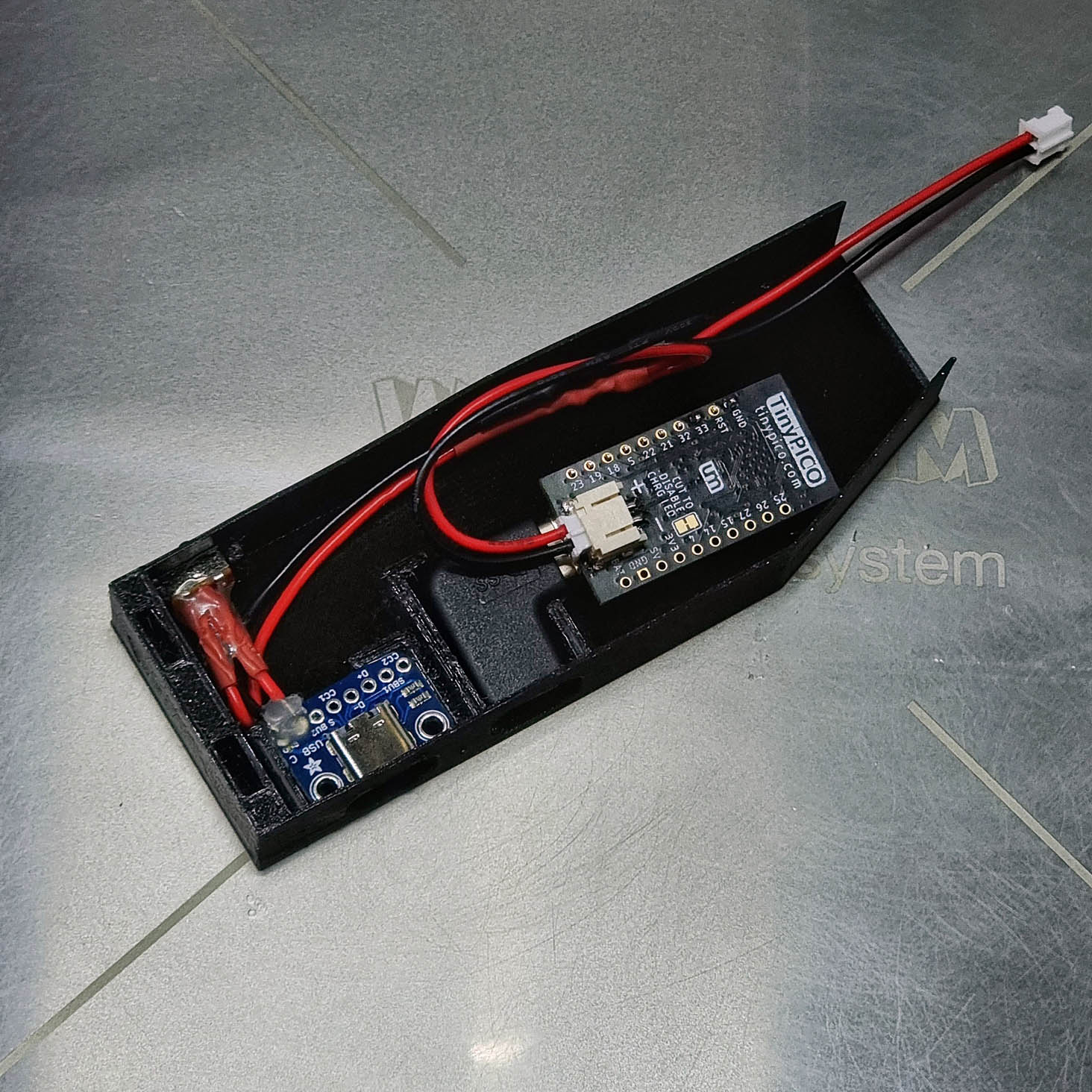
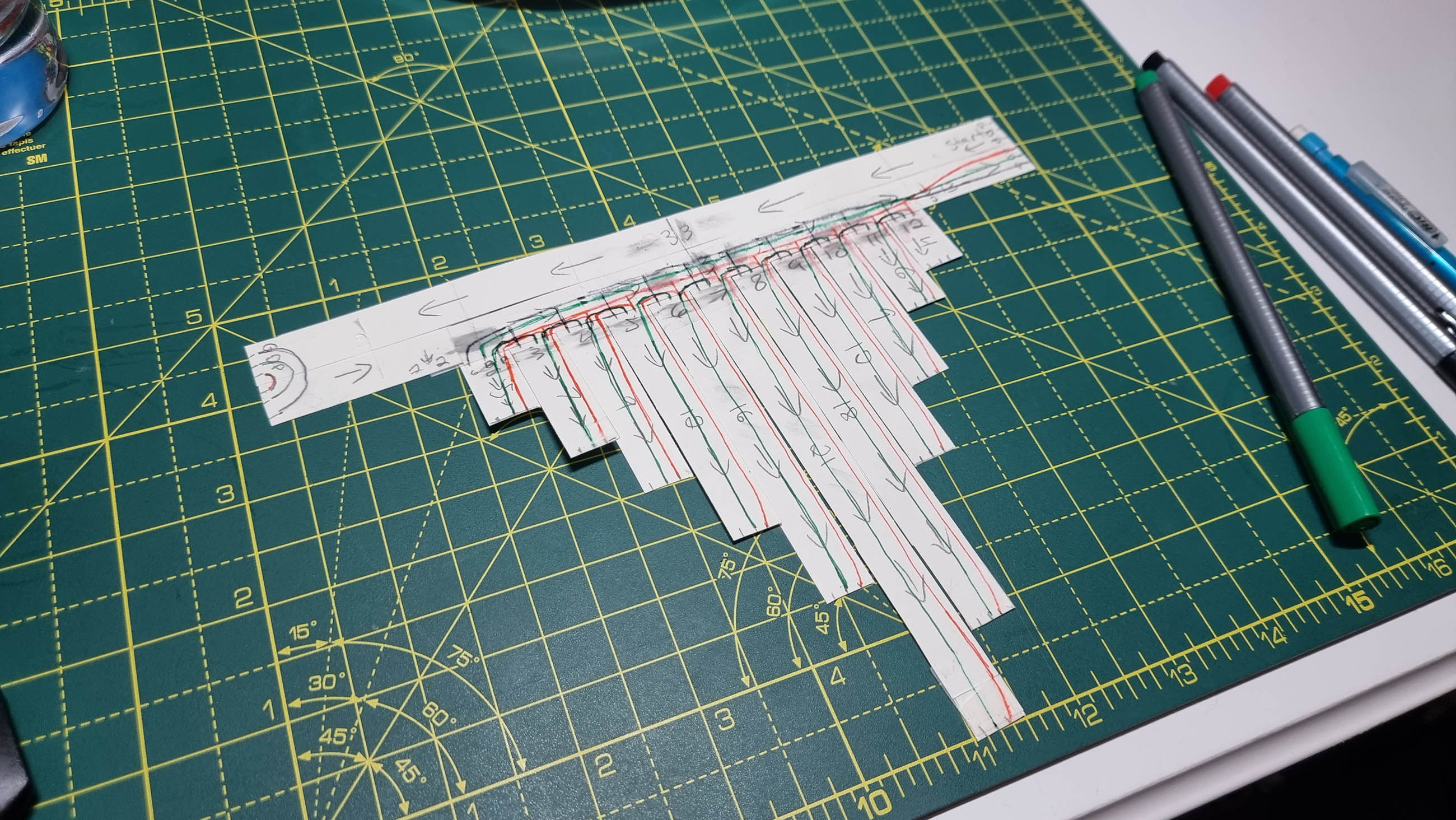
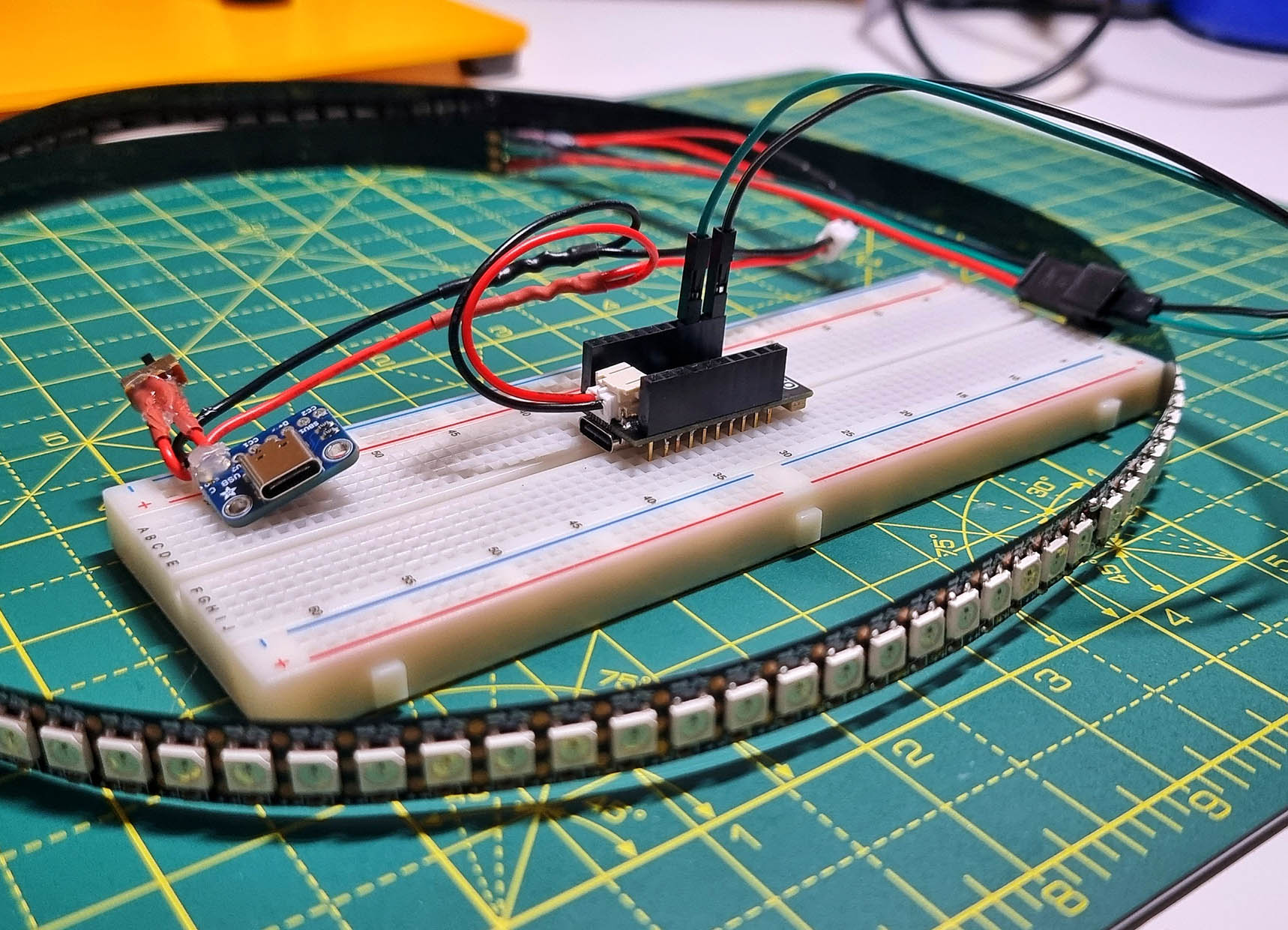
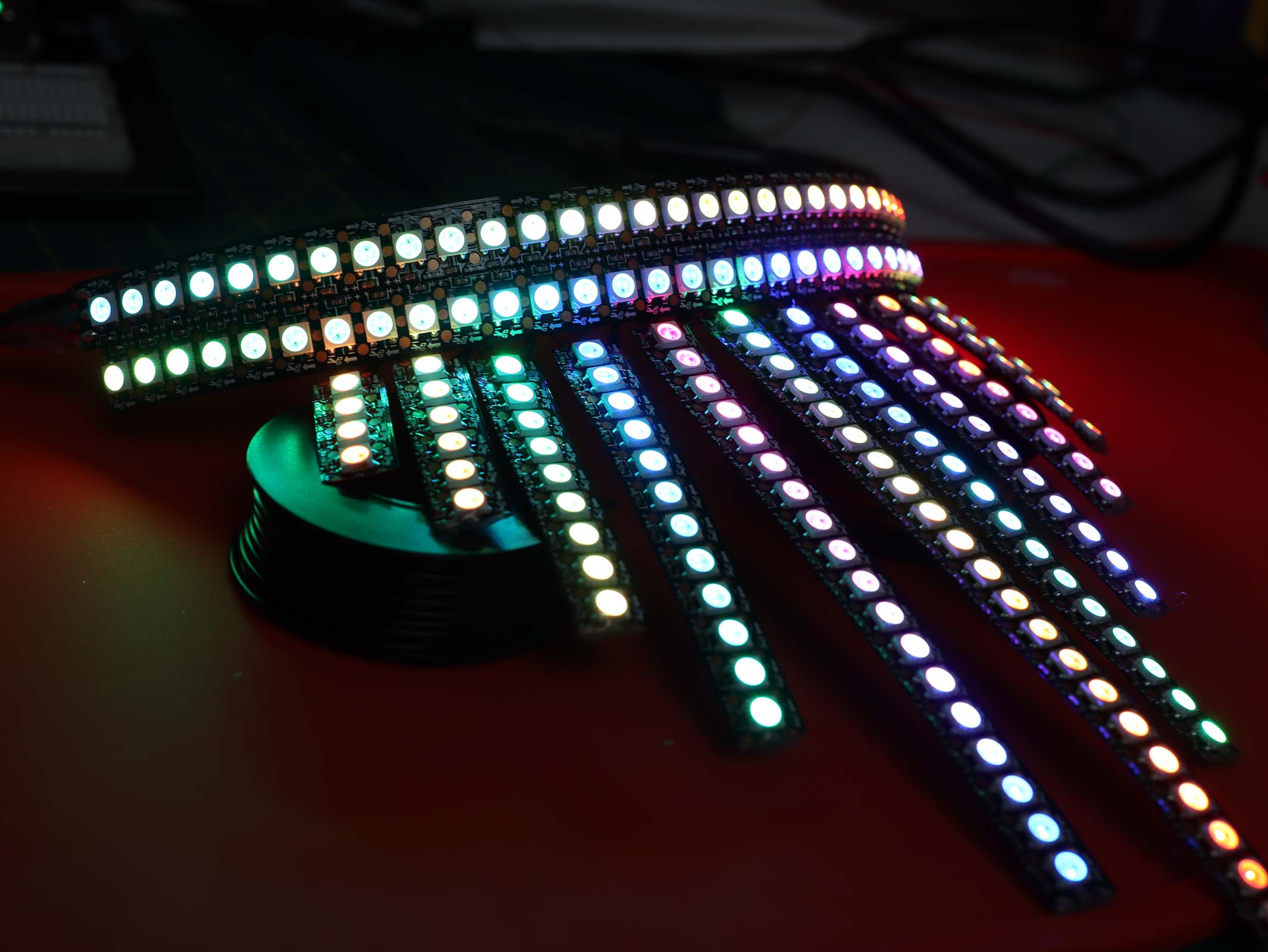
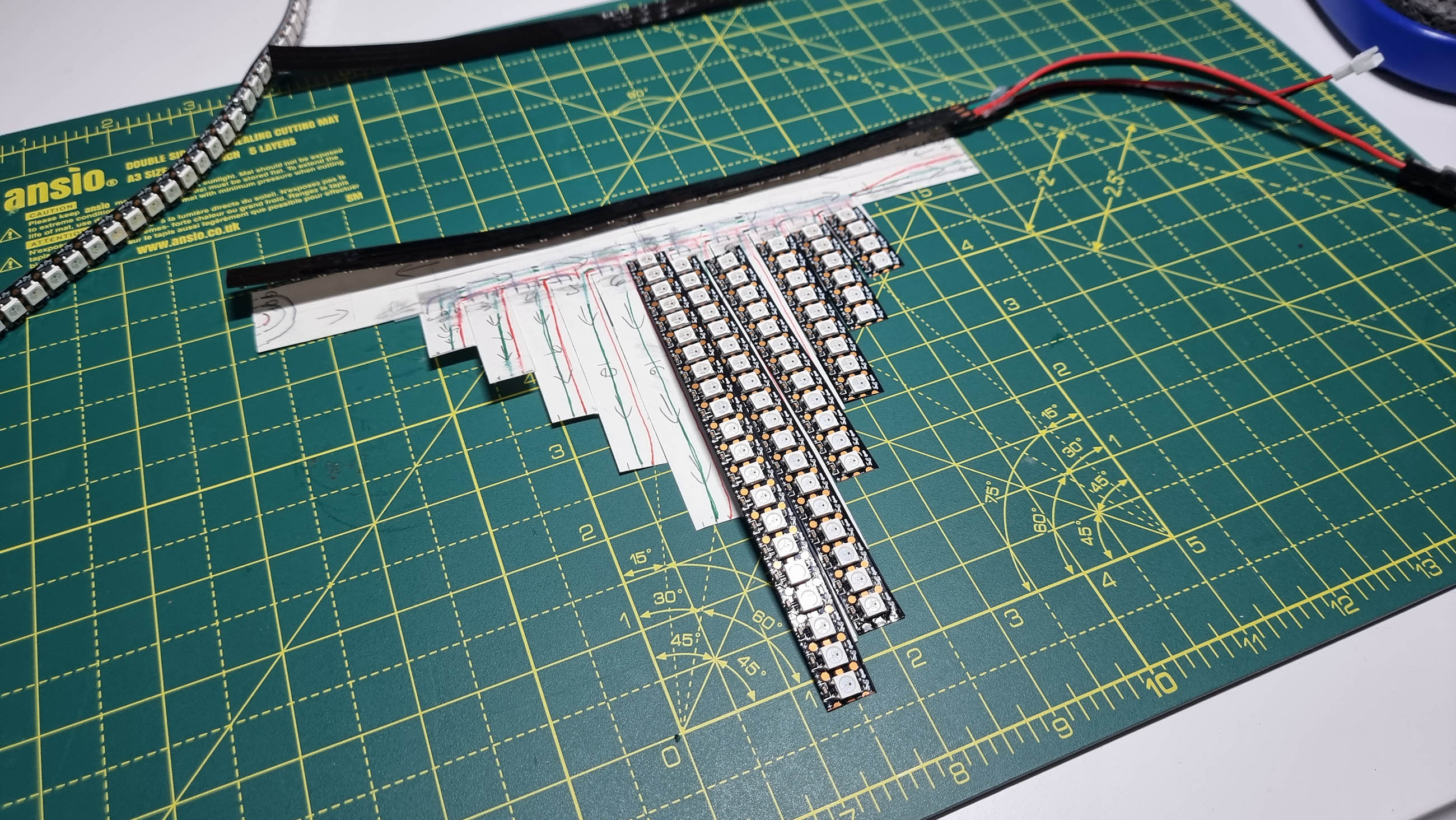
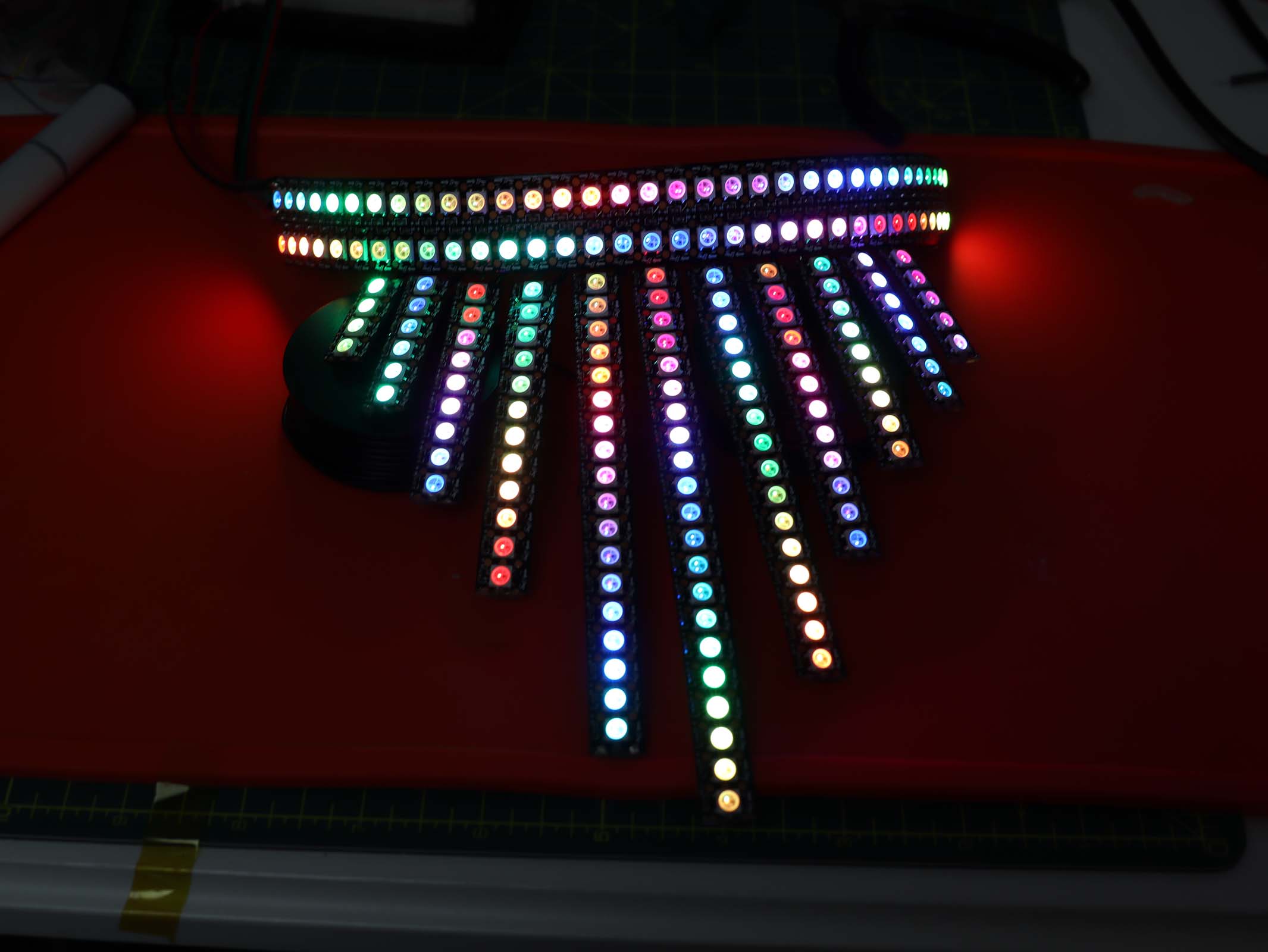
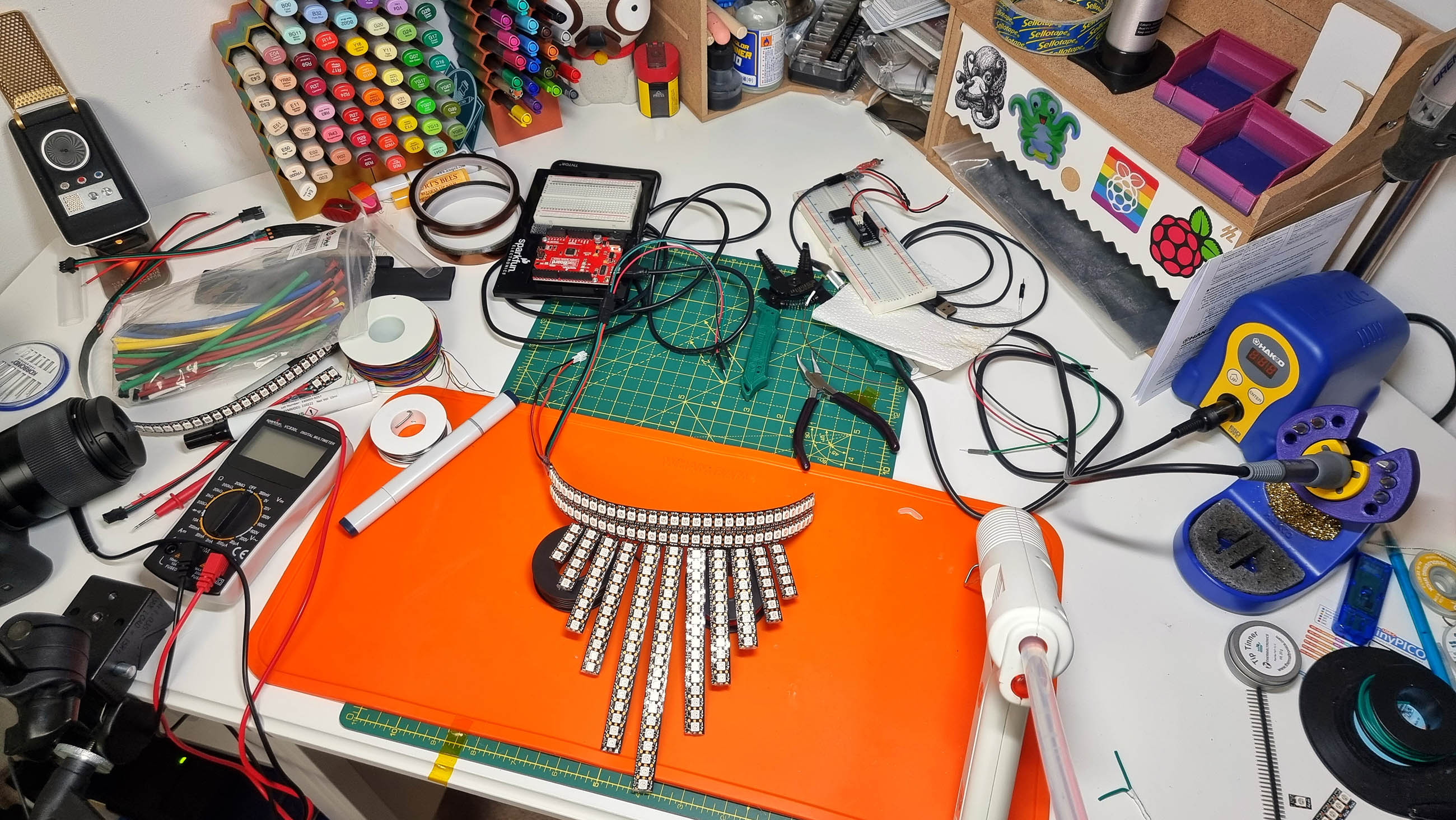
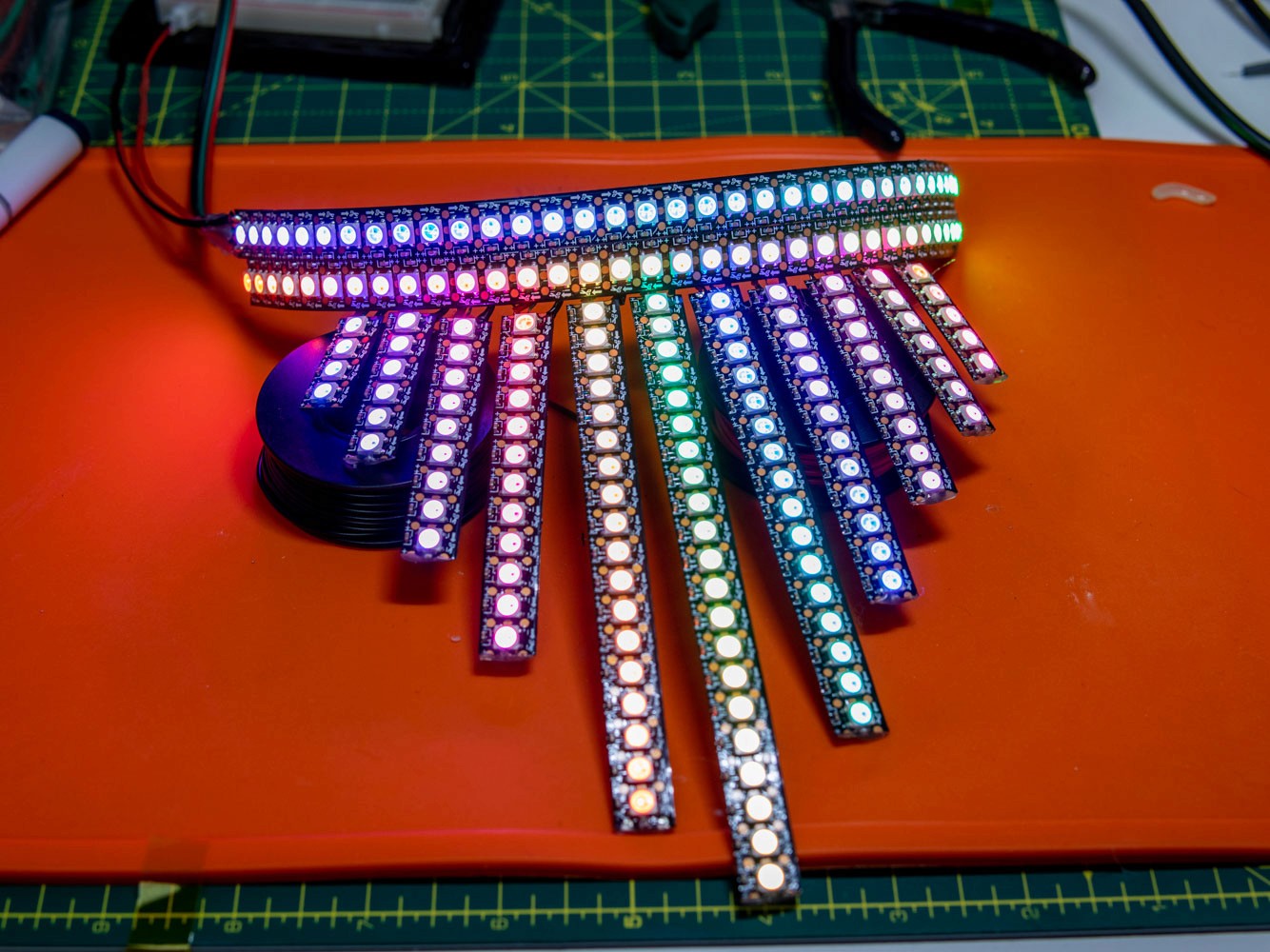
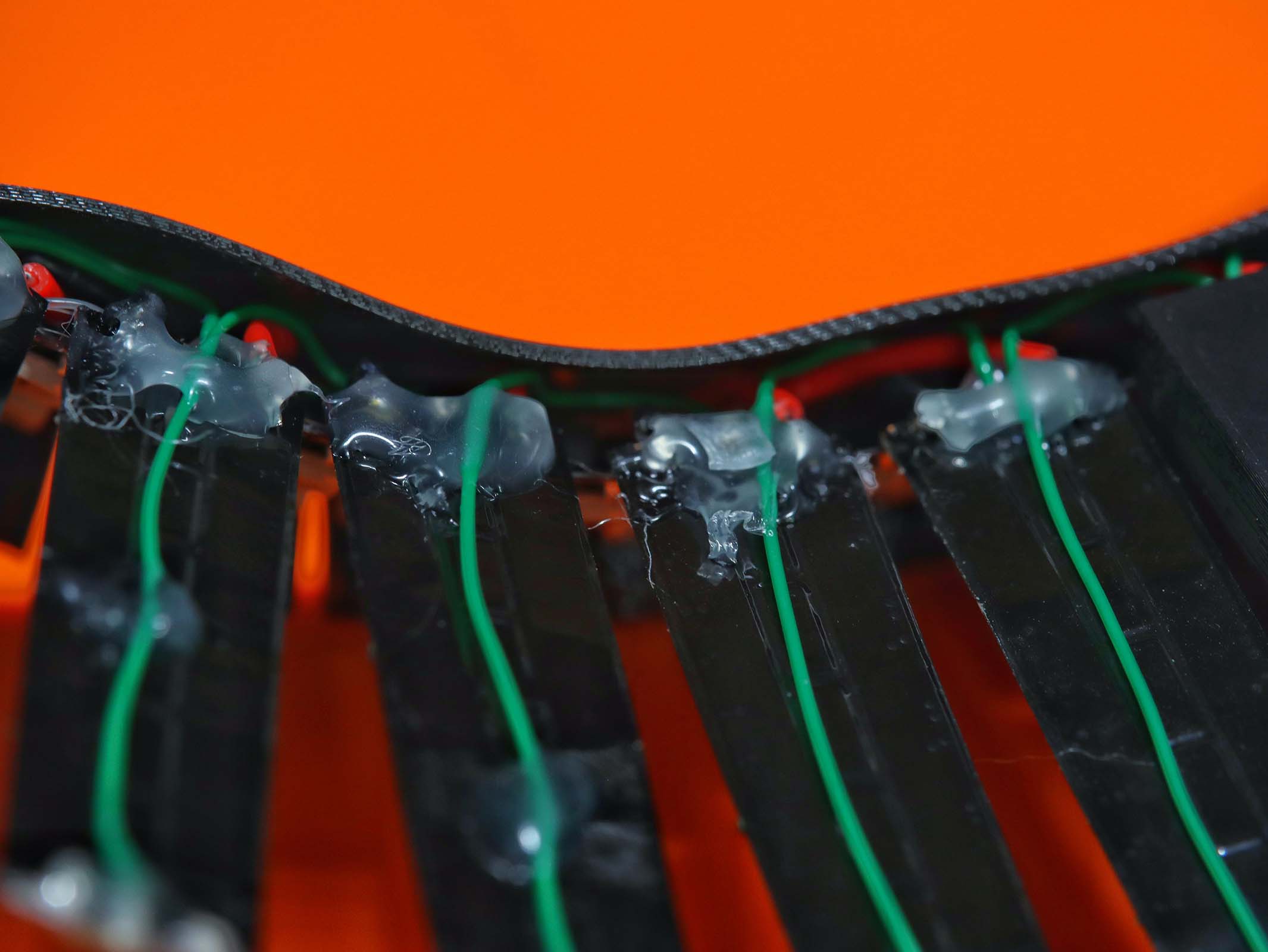
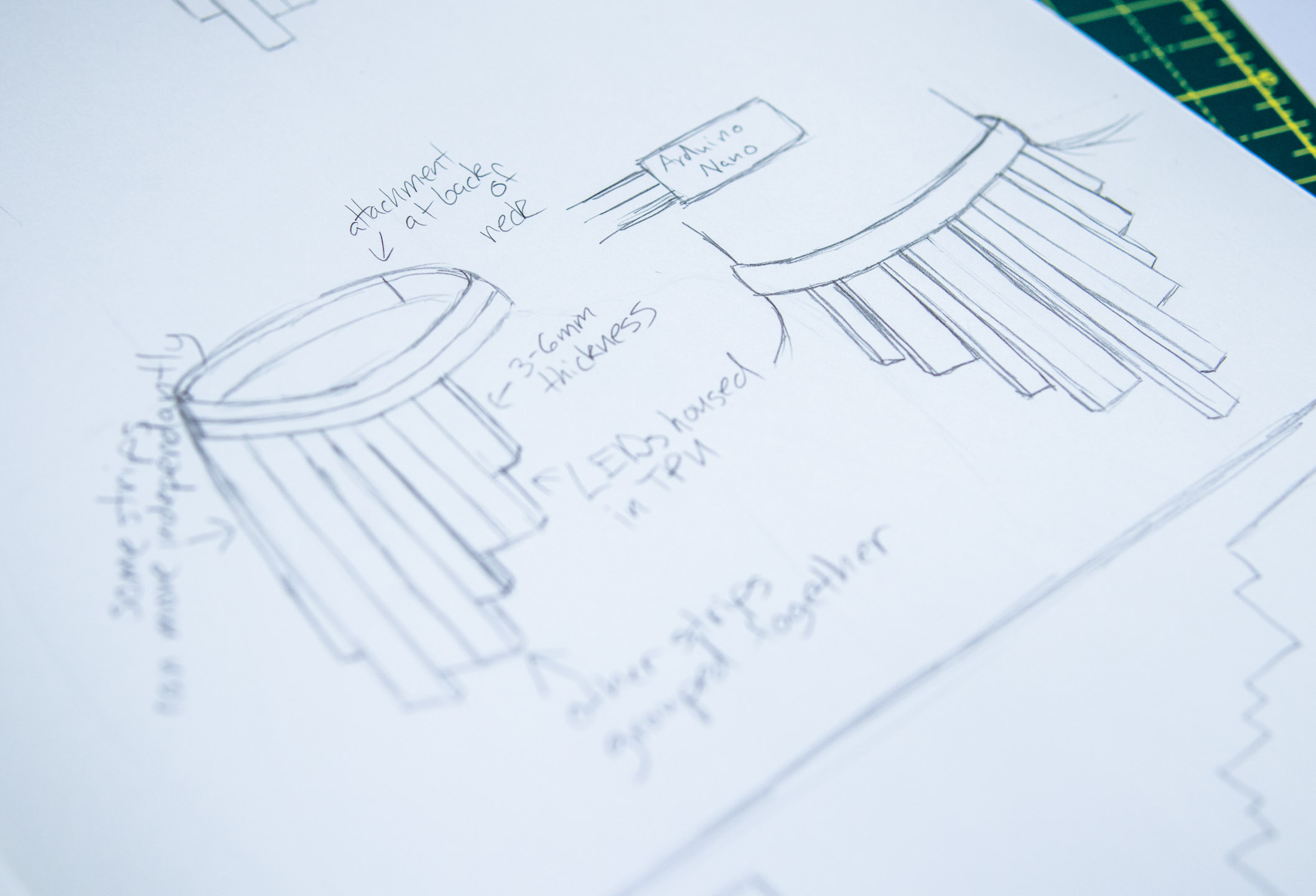
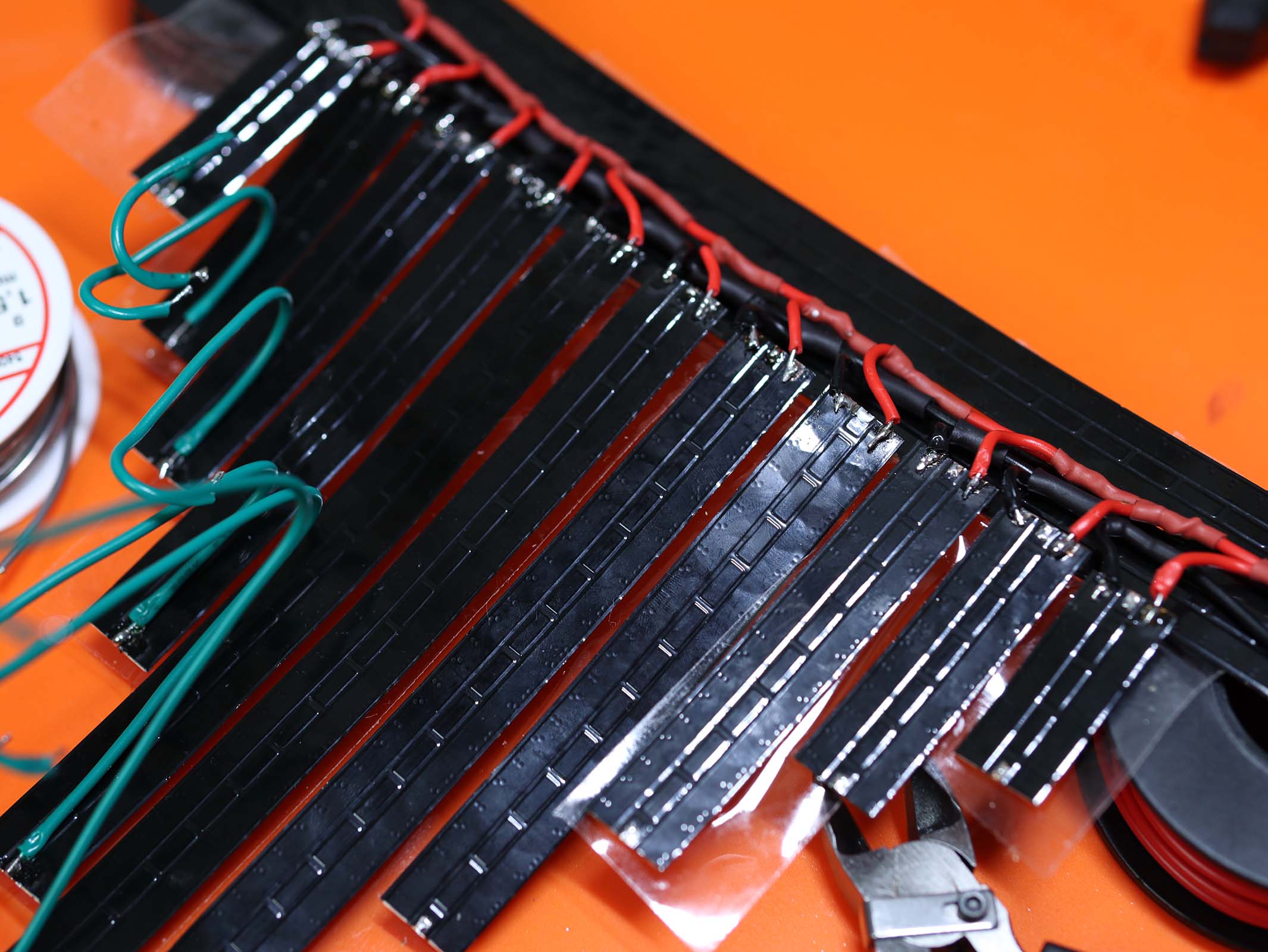
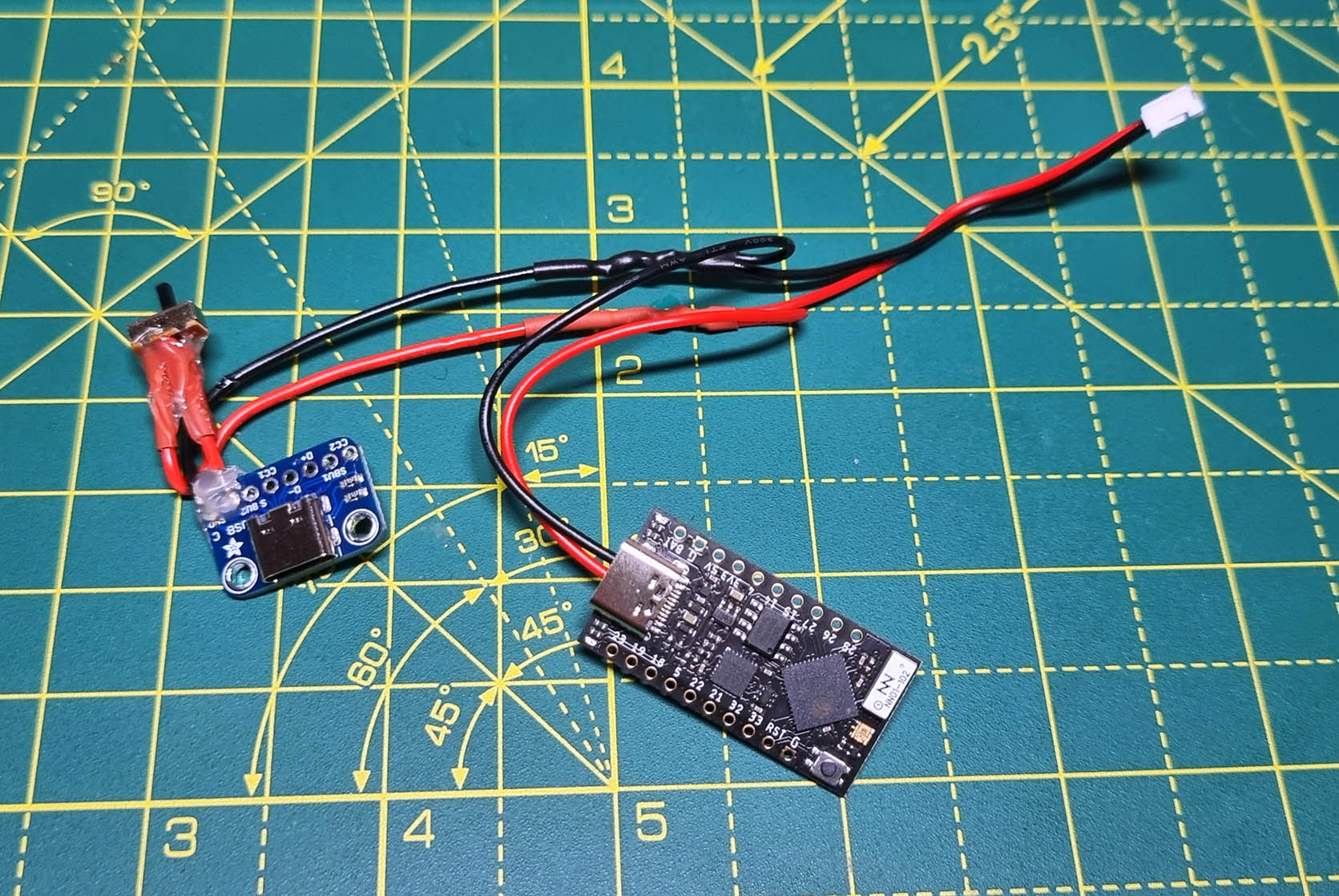
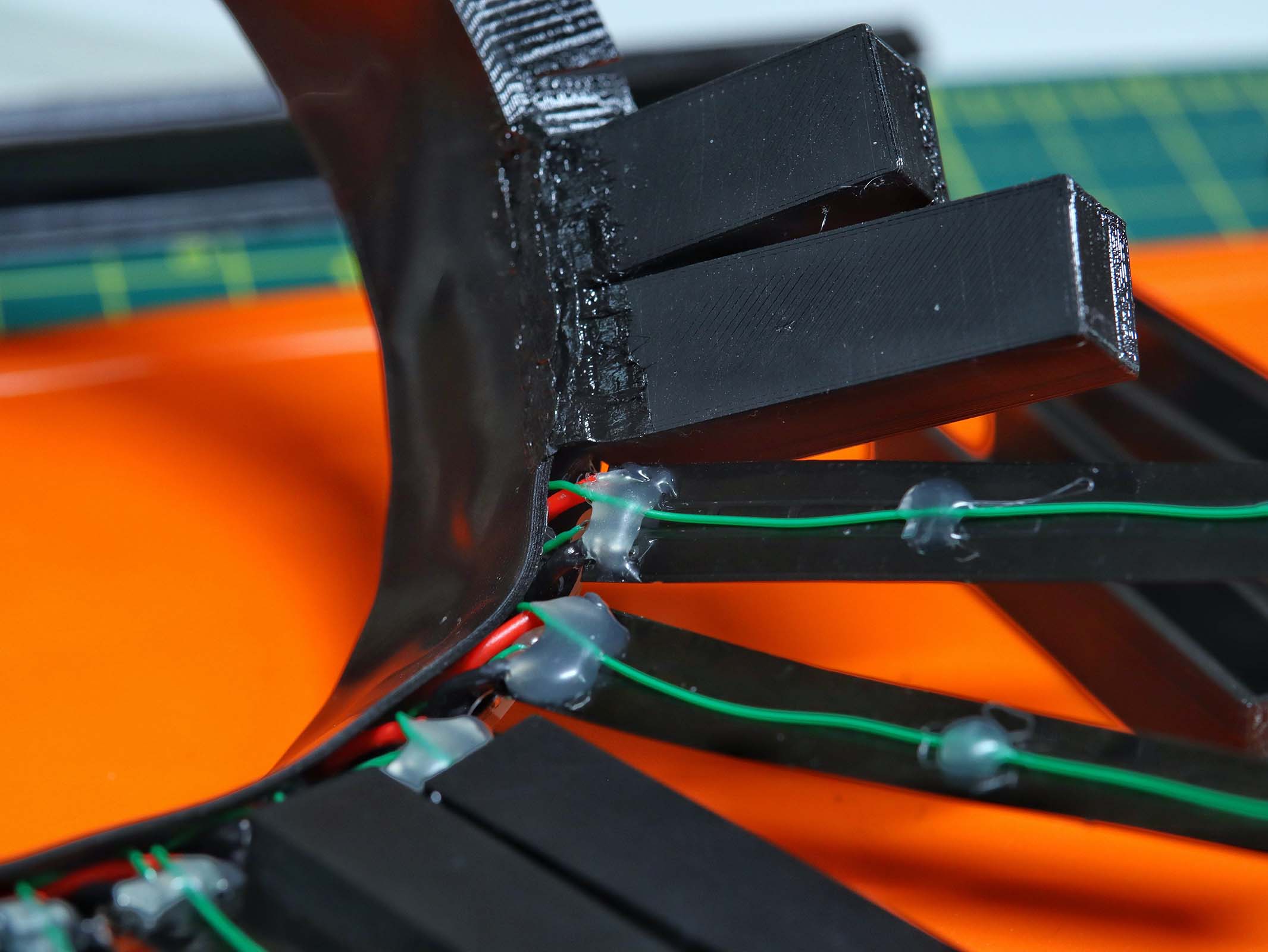
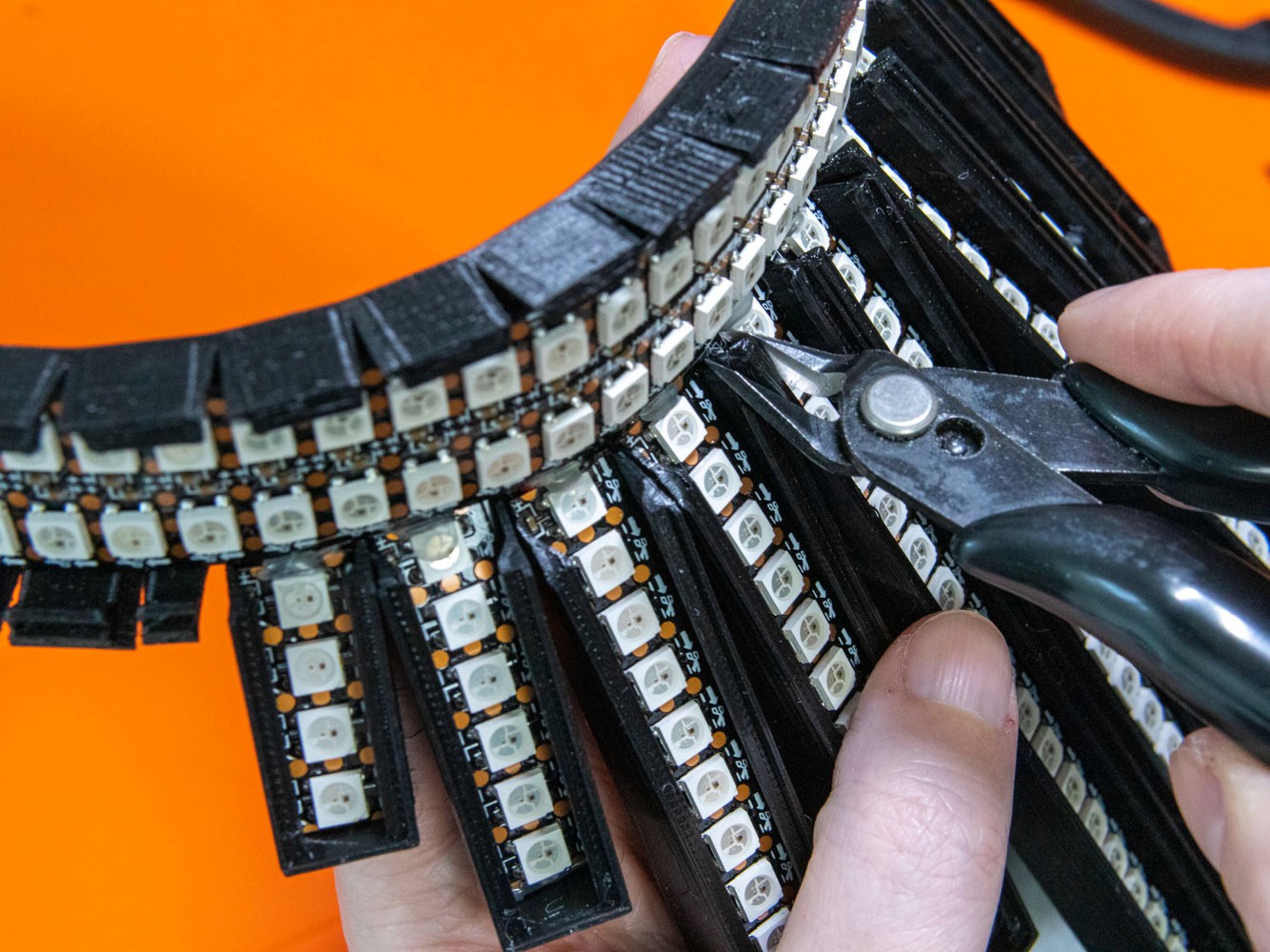
Data Visualization & Custom Electronics: To create the visual display, I engineered a custom matrix of 185 individually addressable LEDs, utilizing the Arduino FastLED library to program custom animations. The controller for the first version of the necklace is an Unexpected Maker TinyPico V2, which receives real-time data from the PM2.5 sensor and dynamically alters the light animations to reflect the immediate air quality.
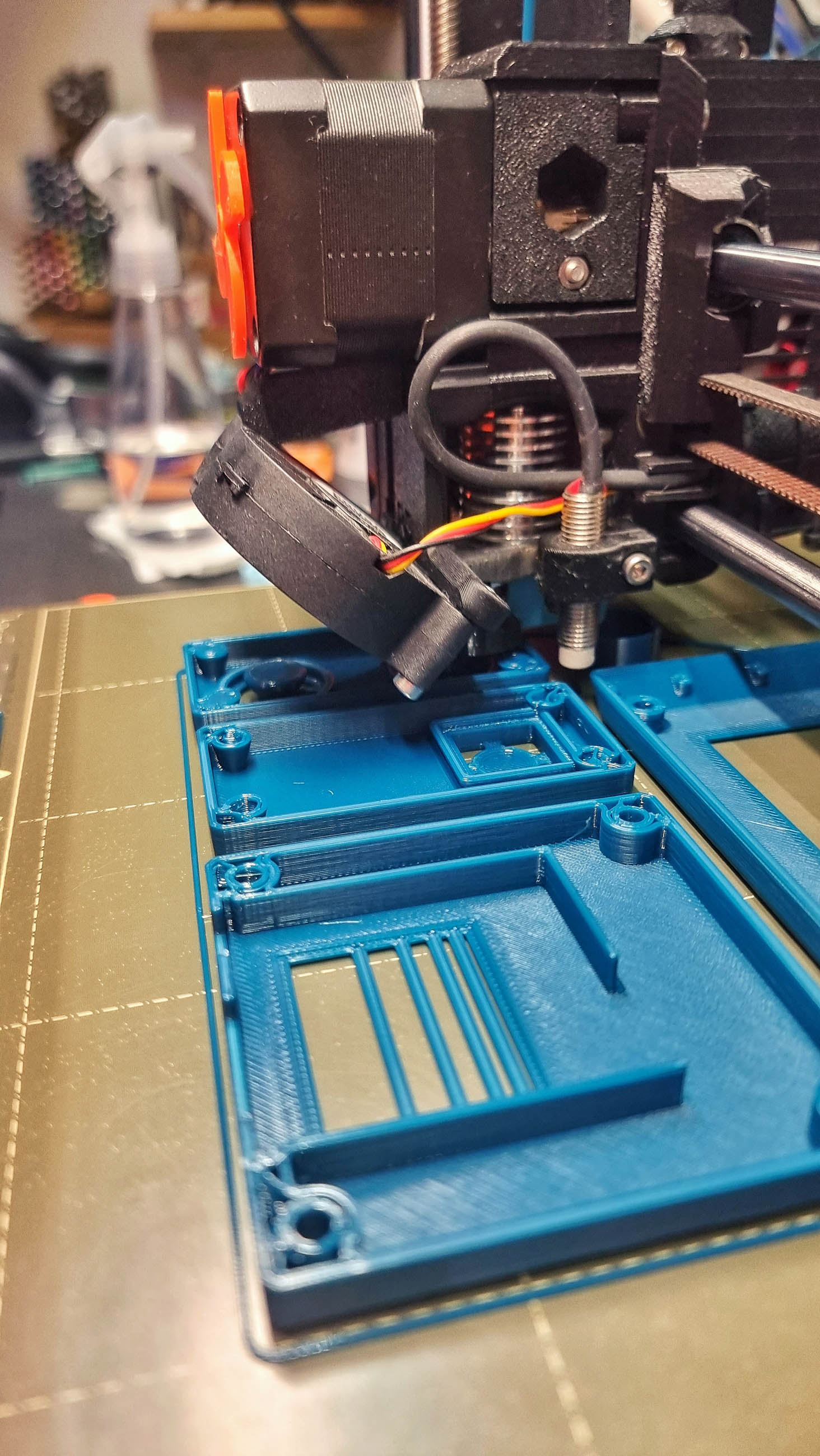
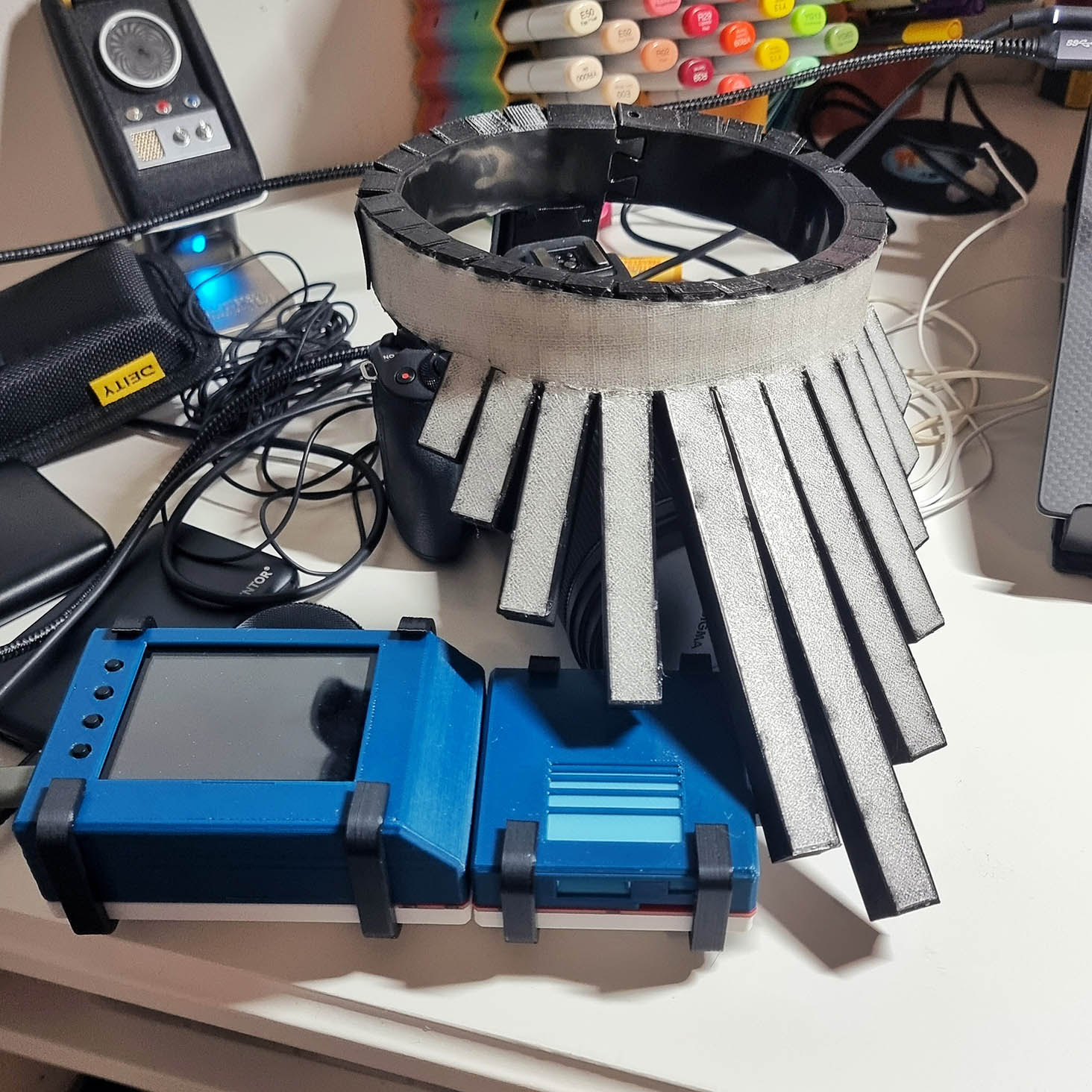
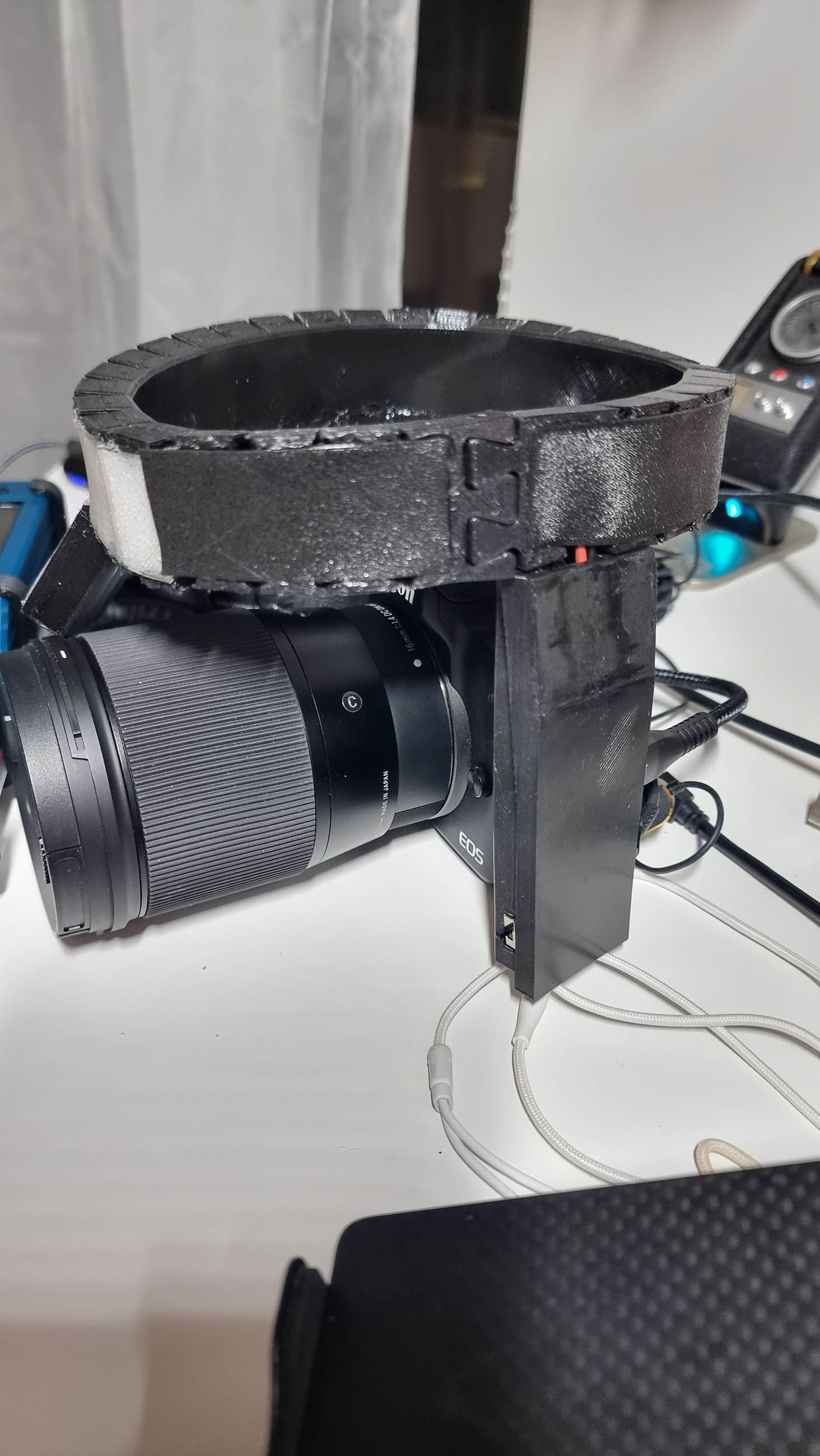
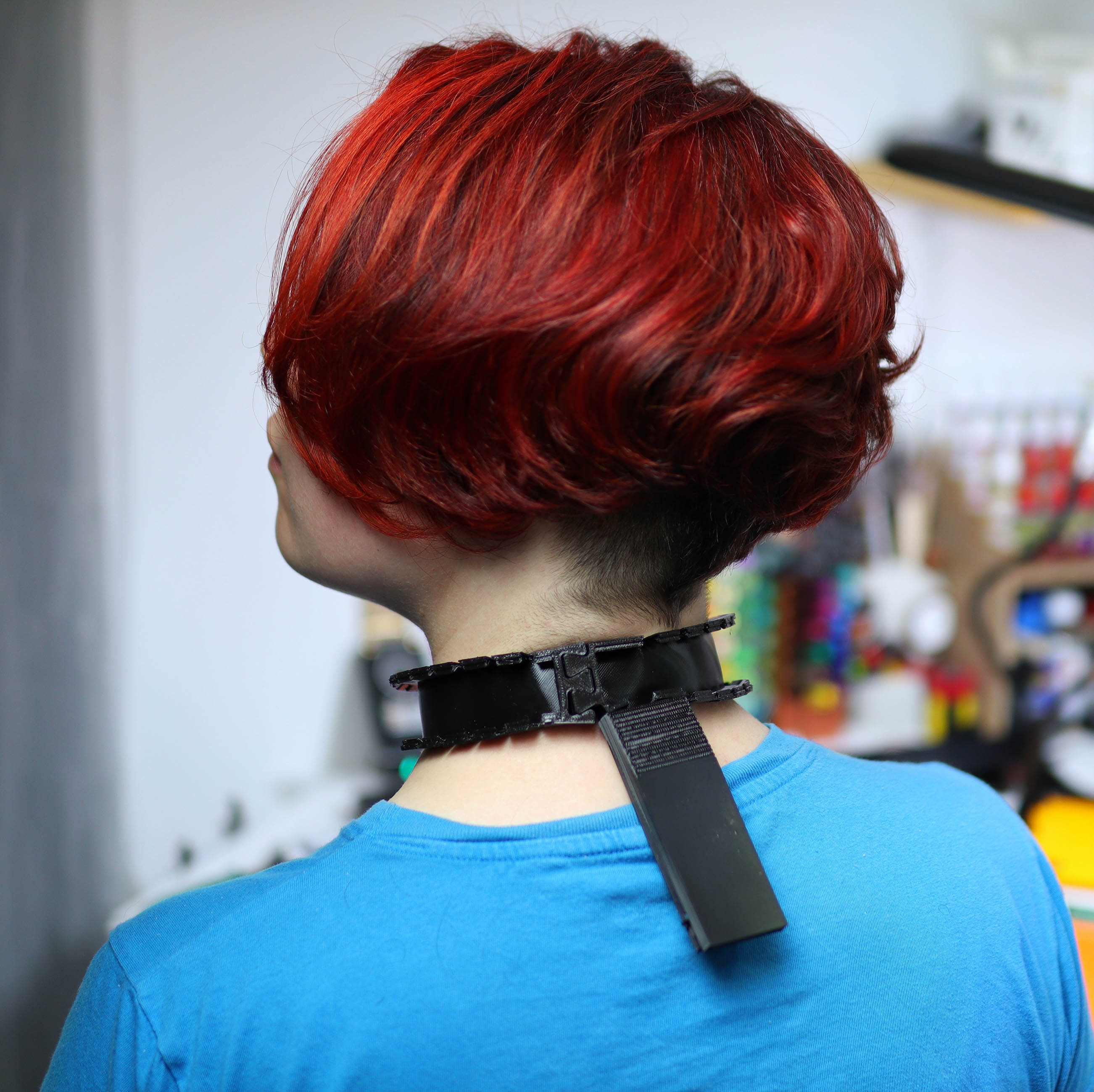
Flexible Fabrication & Safety Engineering: The entire casing was 3D printed using highly flexible 70A shore TPU filament to ensure it contoured comfortably to the wearer's body. To address safety constraints:
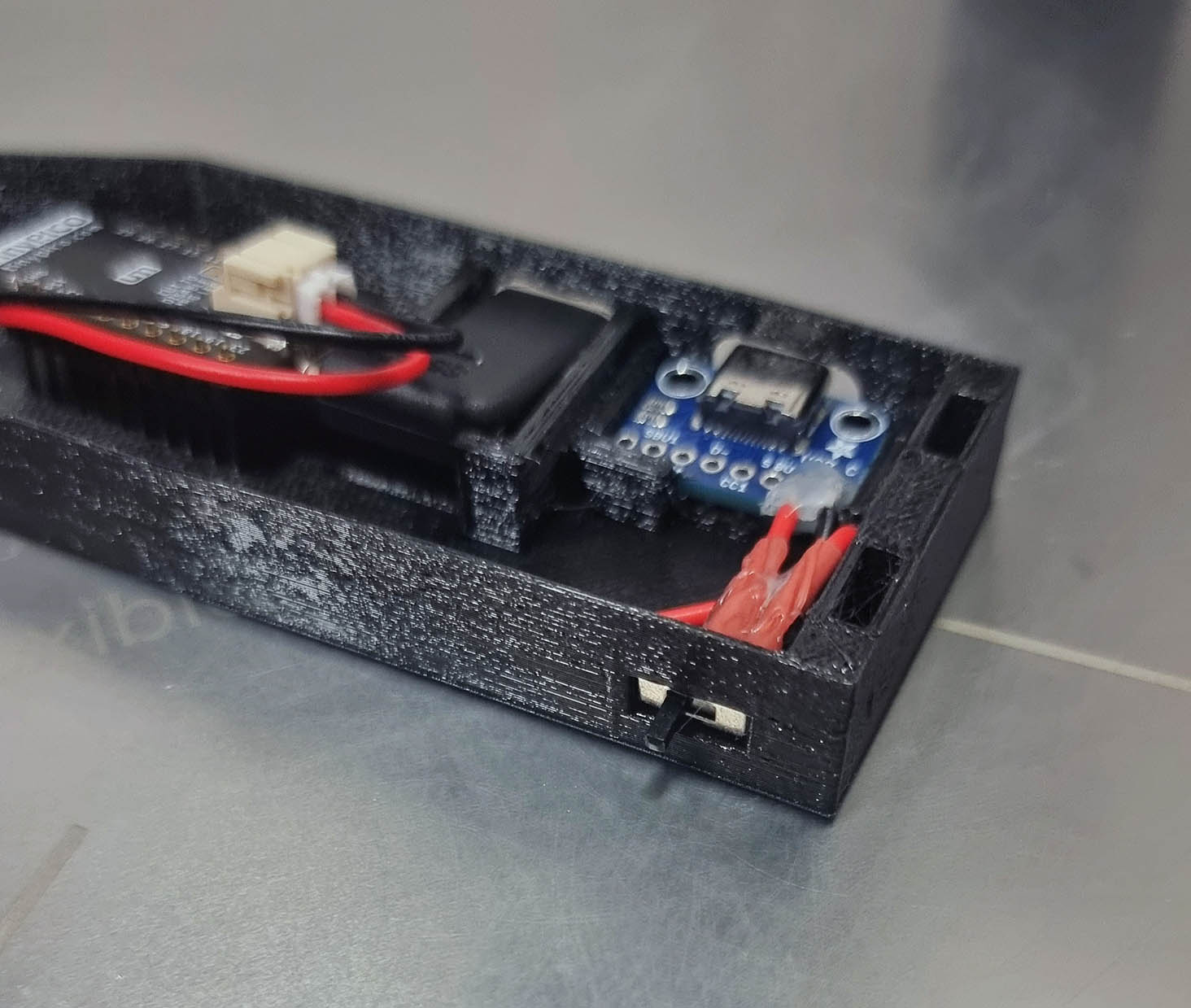
Power: I bypassed dangerous on-body LiPo batteries entirely, designing a detachable USB-C drop at the back of the neck to run off standard portable power banks.
Breakaway Mechanism: I engineered a custom TPU dovetail clasp that secures the necklace but can be instantly pulled apart one-handed in case of an emergency.
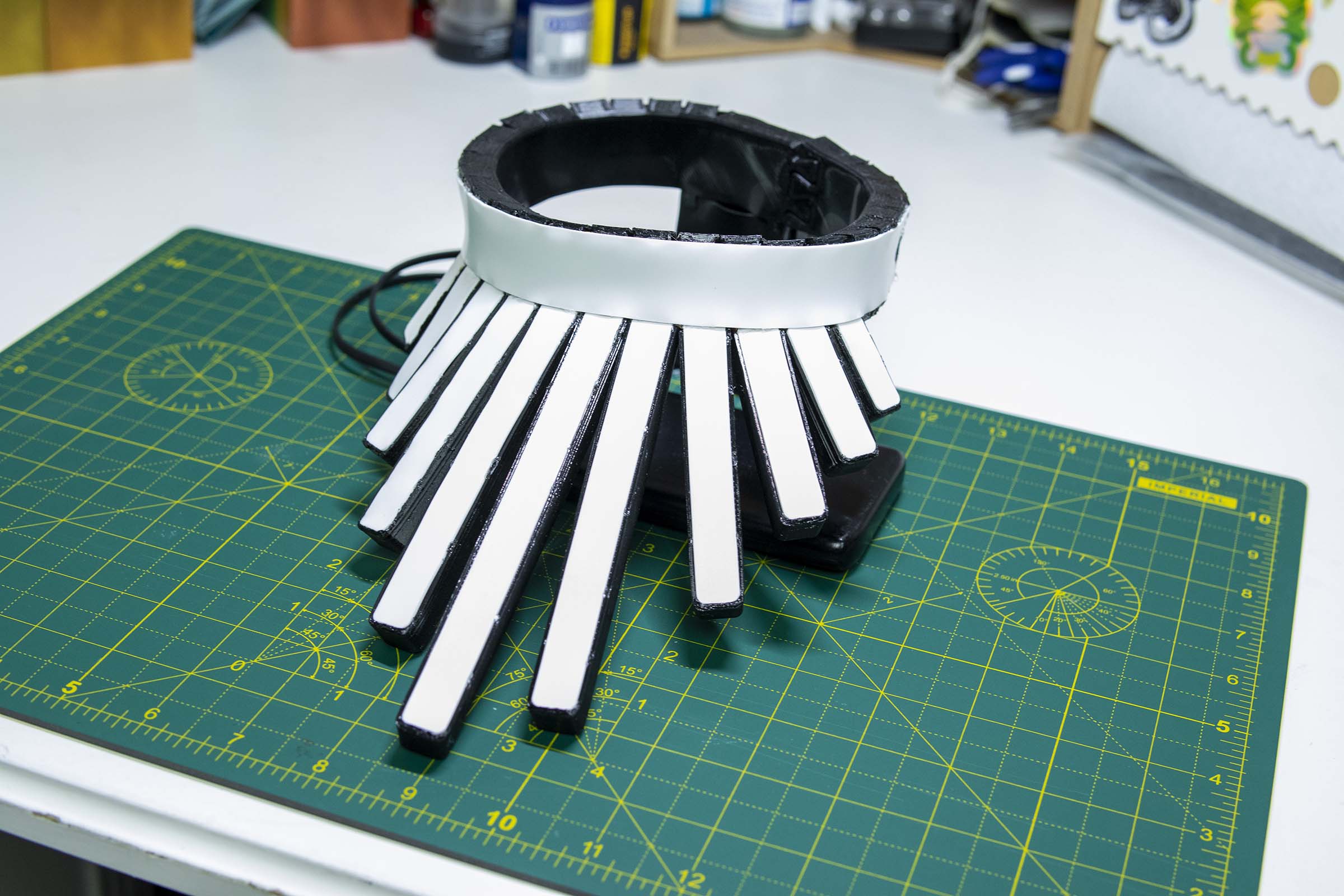
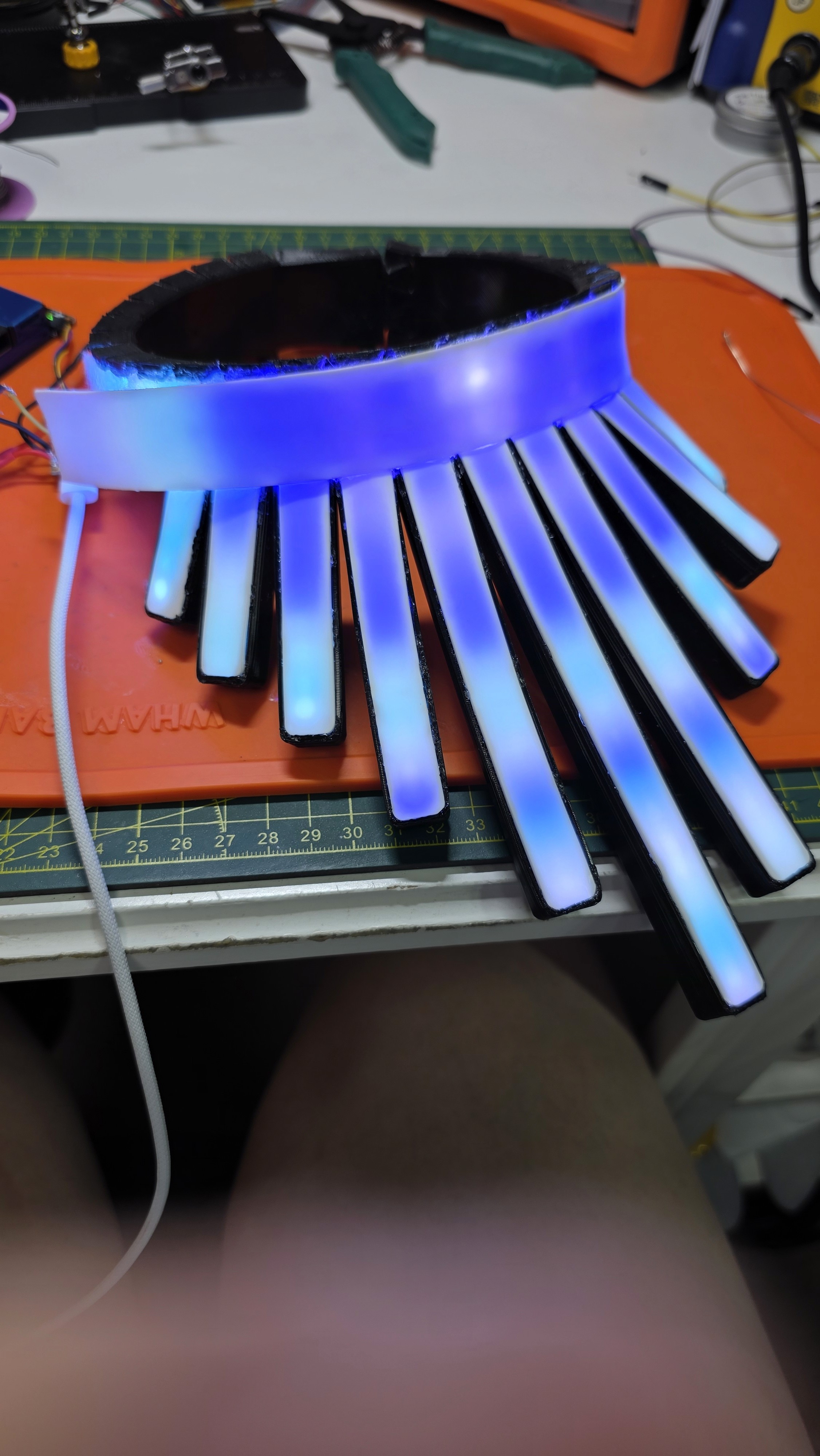
Diffusion: The harsh LED light is diffused using a combination of custom-printed clear TPU panels and fire-retardant polyester wadding.
Iteration for Exhibition (Version 2.0): In 2023, I was commissioned by the National Archives to rebuild the necklace for an extended public installation. For Version 2.0, I optimized the design for reliability and continuous display. I swapped the WiFi-based ESDK for a commercially available serial particulate matter sensor, streamlined the 3D-printed enclosure for a more compact footprint, and upgraded to opaque diffusers for a softer, more refined aesthetic.
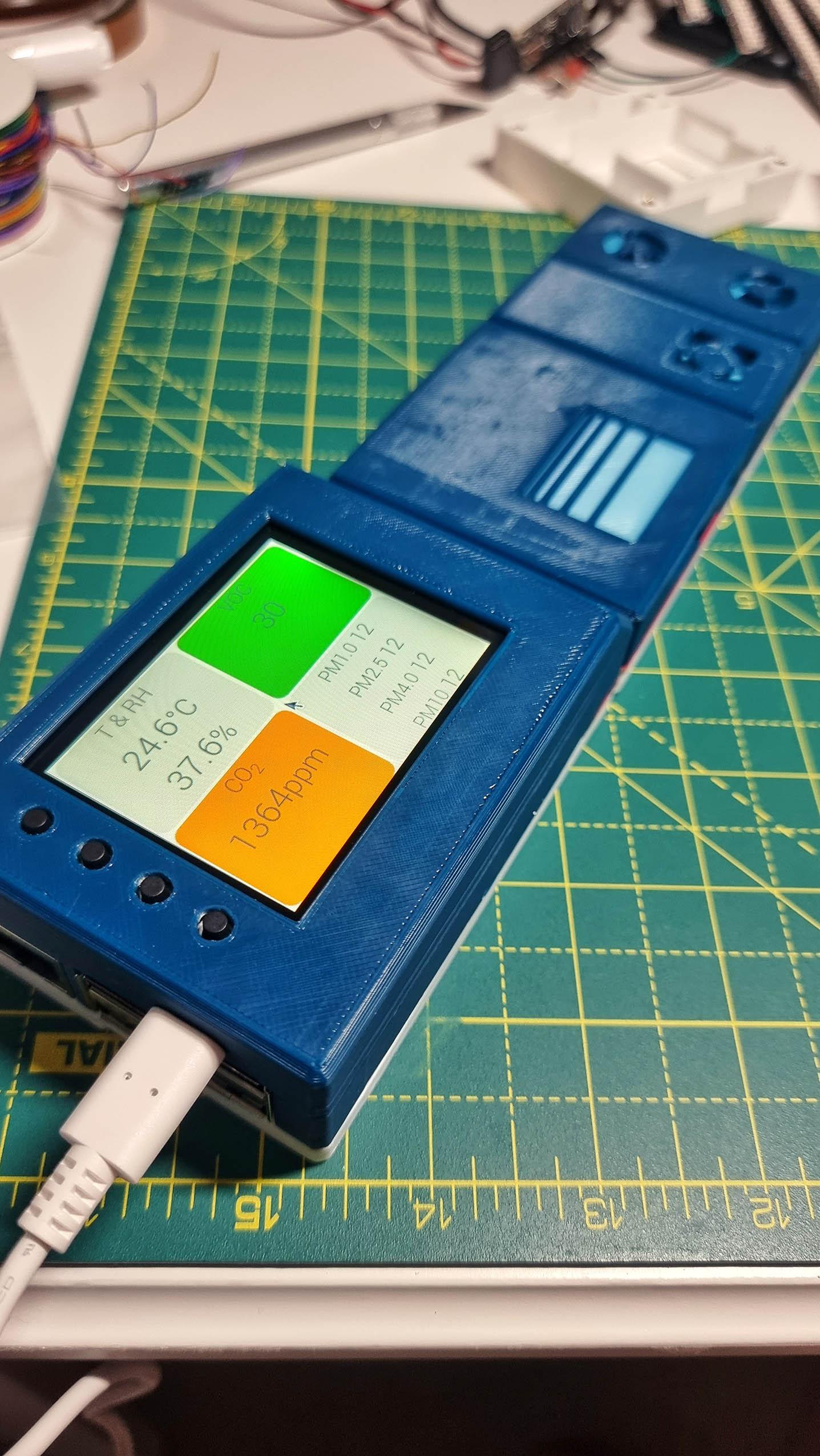
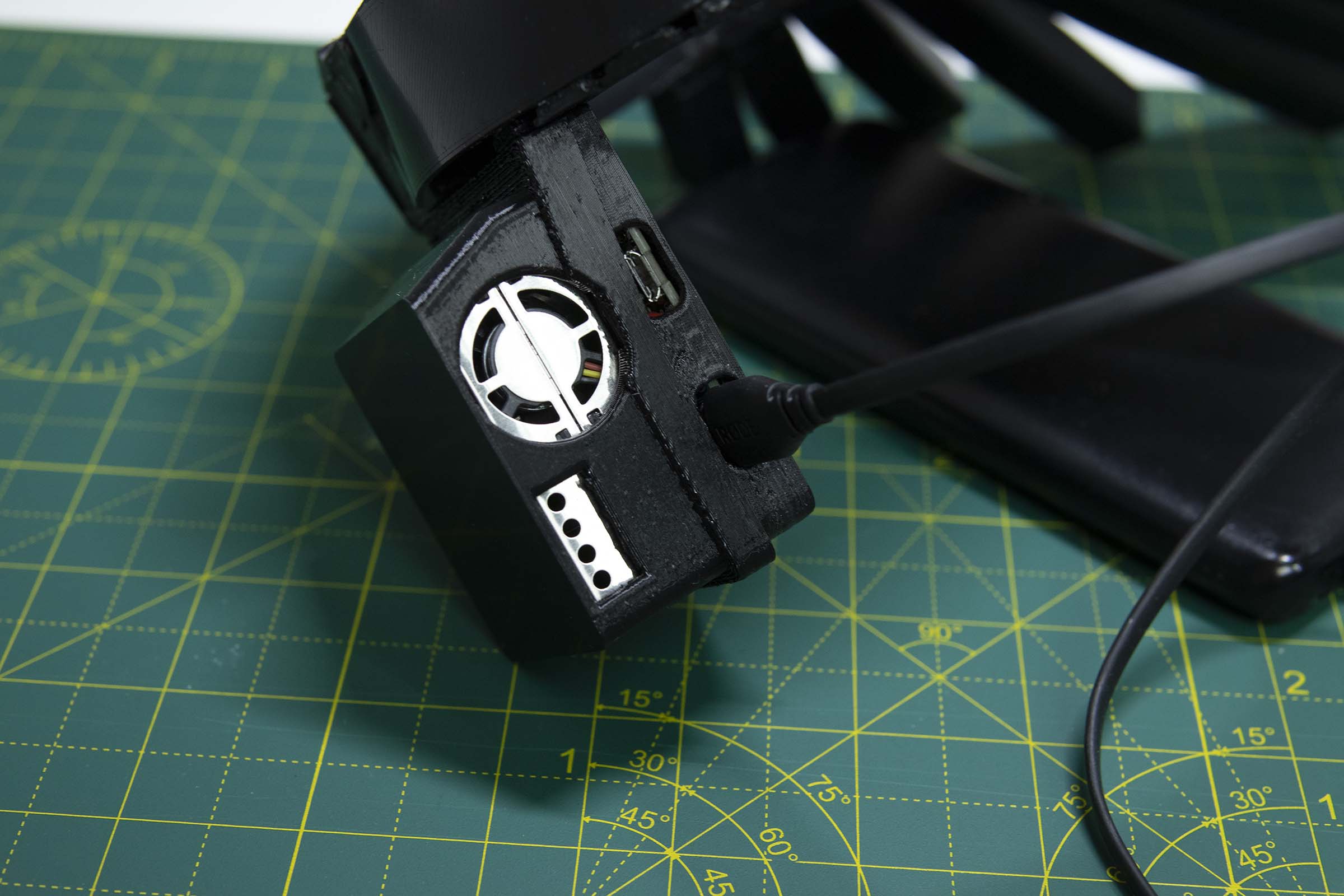
Final Iteration and Improvements: Prior to Open Sauce 2025 in San Francisco where I would be demoing the necklace, I added one final round of upgrades, swapping out the particulate matter sensor for a smaller, newer version, and pairing it with a CO2 sensor. I created a new set of animations to accompany the new data, as well as a small tactile switch to allow for mode switching.
Data Visualization & Custom Electronics: To create the visual display, I engineered a custom matrix of 185 individually addressable LEDs, utilizing the Arduino FastLED library to program custom animations. The controller for the first version of the necklace is an Unexpected Maker TinyPico V2, which receives real-time data from the PM2.5 sensor and dynamically alters the light animations to reflect the immediate air quality.
Flexible Fabrication & Safety Engineering: The entire casing was 3D printed using highly flexible 70A shore TPU filament to ensure it contoured comfortably to the wearer's body. To address safety constraints:
Power: I bypassed dangerous on-body LiPo batteries entirely, designing a detachable USB-C drop at the back of the neck to run off standard portable power banks.
Breakaway Mechanism: I engineered a custom TPU dovetail clasp that secures the necklace but can be instantly pulled apart one-handed in case of an emergency.
Diffusion: The harsh LED light is diffused using a combination of custom-printed clear TPU panels and fire-retardant polyester wadding.
Iteration for Exhibition (Version 2.0): In 2023, I was commissioned by the National Archives to rebuild the necklace for an extended public installation. For Version 2.0, I optimized the design for reliability and continuous display. I swapped the WiFi-based ESDK for a commercially available serial particulate matter sensor, streamlined the 3D-printed enclosure for a more compact footprint, and upgraded to opaque diffusers for a softer, more refined aesthetic.
Final Iteration and Improvements: Prior to Open Sauce 2025 in San Francisco where I would be demoing the necklace, I added one final round of upgrades, swapping out the particulate matter sensor for a smaller, newer version, and pairing it with a CO2 sensor. I created a new set of animations to accompany the new data, as well as a small tactile switch to allow for mode switching.
Additional Photos